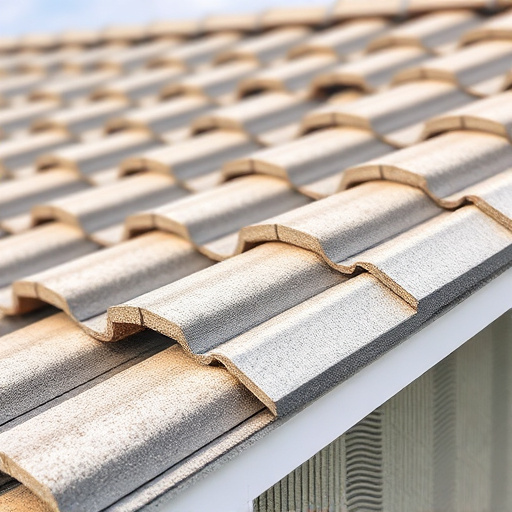
In the arid climate of flat tile profiles, walking on tile roofs is a common concern for homeowners and a critical consideration for local roofing contractors. Tile roofs, while renowned for their durability and aesthetic appeal, are vulnerable to breakage from foot traffic, especially in areas with heavy use like outdoor kitchens or pool decks. This is particularly true for older tile installations where underlayment systems may have degraded over time. This article examines the factors contributing to tile roof damage from foot traffic, explores the science behind it, and provides expert guidance on prevention and repair. From understanding mortar set versus dry ridge systems to the role of proper underlayment and tile headlap, we'll demystify the complexities of tile roof care, offering valuable insights for both homeowners and professionals alike-even when tile around skylights is at risk.
- Understanding Tile Roof Dynamics
- Safe Walking Practices on Tiles
- Identifying Skylight-Area Risks
- Prevention and Repairs: A Practical guide
Understanding Tile Roof Dynamics
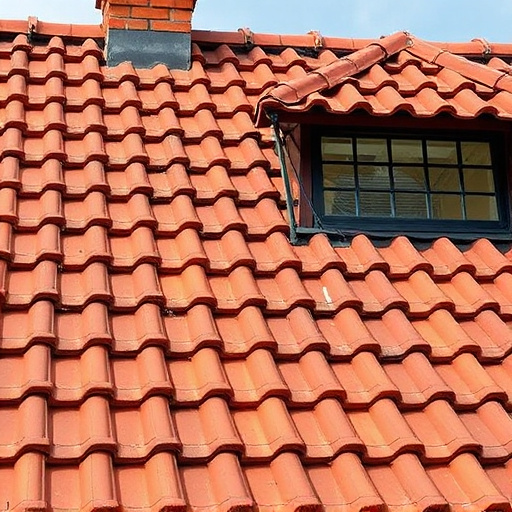
Understanding the dynamics of tile roofs is crucial for homeowners, especially in Oro Valley's unique environment. Tile roofs, particularly the more traditional flat tile profiles, are a common sight in the region, adorning many Spanish Colonial Revival and Santa Fe style homes. This section examines the factors that contribute to tile breakage during foot traffic, offering insights that an experienced Oro Valley roof specialist might share with clients.
One of the primary challenges is the impact of heavy foot traffic, which can be exacerbated by the weight of the tiles themselves and the natural movement caused by monsoon winds. When a person walks across a tile roof, their weight is concentrated at a specific point, creating a localized pressure that, over time, can lead to breakage. This is particularly relevant when considering that most tile roofs are designed to support a certain weight, and excessive strain can cause tiles to crack or dislodge. The flat nature of these roofs provides less give, unlike sloped roofs that can absorb some impact due to their curvature.
Another factor is the natural cycle of heating and cooling. During the day, tile roofs absorb significant heat, which is then released as the temperature drops at night. This thermal expansion and contraction can cause stress on the tiles and the underlayment, leading to cracks and other forms of damage. In areas with extreme seasonal temperature changes, like Oro Valley, this effect is heightened. The region's climate also presents challenges with efflorescence, a white powdery substance that can appear on concrete tiles, affecting their aesthetic appeal and potentially contributing to structural issues over time.
To mitigate these issues, homeowners and contractors should consider proper underlayment, the use of tile clips in high-wind areas, and regular cleaning to prevent buildup that could contribute to breakage. An experienced Oro Valley roof specialist would also recommend inspecting the roof for signs of damage, especially after extreme weather events, and addressing issues promptly to ensure the longevity of the tile roof, including those around skylights.
Safe Walking Practices on Tiles

Walking on tile roofs, especially in the Oro Valley area with its unique climate and architectural styles, requires careful consideration and specific safe practices to prevent damage and breakage. When properly installed and maintained, tile roofs offer exceptional durability and fire resistance, but they are sensitive to foot traffic and environmental factors. One of the primary concerns is the potential for breakage when walking on tiles, particularly concrete tile, which can be brittle in the intense desert heat.
The initial step in safe walking practices is understanding the structure of a tile roof. Battens, the wooden strips that support the tiles, are crucial but susceptible to rot over time. Proper nailing patterns and headlap, the overlap of tiles, are essential to maintain the integrity of these battens. Using concrete tile around skylights requires careful placement to ensure even weight distribution and avoid excessive stress on any one point. Efflorescence, a white powdery substance that may appear on concrete tile surfaces, is not a sign of poor quality but rather a natural mineral deposit. However, it can be an indicator of moisture issues, which is why regular inspections are vital.
Regular maintenance is key to extending the lifespan of a tile roof. Homeowners and contractors alike should be aware of potential hazards, such as heavy foot traffic during construction or from residents or guests. Protective measures, like covering tiles with tarps or using specialized walking systems, can mitigate damage. A licensed Oro Valley area roofing contractor recommends inspecting the underlayment, which acts as a secondary barrier against moisture, and replacing it if necessary. This two-layer underlayment system, common in the region, ensures that any damage or leaks are contained, preventing water from reaching the tile surface and causing breakage.
Identifying Skylight-Area Risks

Walking on tile roofs, especially around skylights, presents unique risks that homeowners and roofing professionals in flat tile profiles like Oro Valley's should understand. Skylights, while enhancing natural light, create structural weaknesses that require careful consideration during installation and maintenance. One of the primary concerns is the additional weight and foot traffic these areas endure. Tile roofs, despite their durability, can be vulnerable to breakage if not properly supported.
A common mistake is relying solely on ridge mortar for structural integrity. While ridge mortar, or the adhesive used to join tiles along the ridge line, plays a crucial role in water sealing, it may not distribute weight evenly. In contrast, a two-layer underlayment system offers superior protection for skylight areas. This system, often recommended by experts like those at DC Roofing of Arizona, provides an extra layer of cushioning that absorbs impact and prevents tile breakage. In Santa Fe-style homes known for their expansive skylights, this dual-layer protection is essential to preserve the aesthetic appeal and structural integrity of the roof.
Tile around skylights also requires meticulous care to prevent efflorescence, a white powdery residue that can discolor concrete tiles in the intense desert heat. Proper cleaning and sealing are crucial. Regular inspections should include checking for loose tiles, especially along the edges, where debris and wind can accumulate, leading to potential breakage. Ensuring the integrity of the flashing at side walls and around skylights is vital, as these areas are particularly vulnerable to water intrusion. By understanding these skylight-area risks and implementing the right precautions, homeowners can help extend the lifespan of their tile roofs and maintain the beauty of their Oro Valley homes.
Prevention and Repairs: A Practical guide

Walking on tile roofs is a common concern for homeowners, especially in areas like Oro Valley where Santa Fe style homes with tile roofs are prevalent. While tile roofs offer excellent durability and aesthetic appeal, they are not designed to bear heavy foot traffic, especially when not properly maintained. Regular foot traffic, especially from repairs or construction activities, can lead to breakage, cracks, or damage to the tile, underlayment, and even the structure below.
Prevention is key for tile roof damage. One of the most effective measures is ensuring proper installation and maintenance. Using synthetic underlayment beneath the tile can provide an extra layer of protection against foot traffic, especially in areas prone to high wind or heavy use, such as around skylights. This underlayment, when installed correctly, can act as a shock absorber, reducing the stress on individual tiles. Regular cleaning and inspection can help identify potential issues early on. Checking for efflorescence on concrete tiles, which indicates moisture absorption, can prevent long-term damage.
When damage does occur, repairs should be handled promptly by an experienced Oro Valley roof specialist. Ridge mortar, a crucial component in tile roofs, can be particularly vulnerable to breakage due to foot traffic or extreme weather. Replacing damaged mortar or tiles is essential to maintain the roof's integrity. A missing or broken tile around a skylight can cause not only aesthetic issues but also potential water damage. Proper nailing patterns and headlap coverage, as recommended by the Arizona Solar and Roofing Association, ensure the longevity of the tile roof. Regular maintenance, including re-nailing loose tiles and applying new sealer, can extend the lifespan of your tile roof and prevent costly repairs.
Frequently Asked Questions About an explainer on walking on tile roofs and why breakage happens
What is the best practice for walking on tile roofs to avoid damage?
When navigating tile roofs, always use designated access points like ladders or specialized safety ropes. Wear appropriate footwear with good grip. Never walk on loose or damaged tiles, as these can give way. Maintain a safe speed and balance, keeping your center of gravity centered. Regularly inspect the roof for weak spots, and report any issues to a professional roofer for prompt repair.
Why do tile roofs break or crack when walked on?
Tile roofs are designed to withstand significant weight, but repeated stress from walking can lead to cracks or breaks, especially if the tiles are old, poorly installed, or made of inferior materials. Improper weight distribution, sharp objects, or sudden movements can further compromise the integrity of the roof. Regular maintenance and inspections are crucial to catch and address weak spots before they become serious.
How often should I have my tile roof inspected for damage?
Most roofing professionals recommend a thorough inspection of your tile roof at least once per year. This proactive approach can help identify minor issues before they escalate. After severe weather events, such as storms or high winds, a prompt inspection is crucial to assess potential damage.
What signs indicate that a tile roof needs replacement?
Several signs point to the need for tile roof replacement. These include loose or missing tiles, widespread cracks or chips, water stains or leaks, and uneven or loose underlayment. If your roof shows any of these signs, contact a licensed roofer for an assessment.
Can I walk on a tile roof if it's wet?
Walking on a wet tile roof is generally not recommended. Wet tiles can become slippery, increasing the risk of falls. Wet conditions can lead to further damage, as water can infiltrate and weaken the structure. Always avoid walking on wet roofs unless absolutely necessary and take extra precautions to maintain balance and stability.
How can I tell if a tile is damaged beyond repair?
Damaged tiles often exhibit noticeable cracks, chips, or complete fragmentation. If a tile is severely broken, it may need to be replaced. Inspect the tile for any signs of structural compromise. If the damage is limited to the surface, some repairs might be possible, but if the tile is completely shattered, replacement is typically the best option.
As we've explored the ins and outs of tile roofing, from installation to maintenance, one key takeaway stands out: understanding the unique dynamics of these roofs is crucial to preventing damage, especially from foot traffic, including the unique challenges around skylights. We've learned that flat tile profiles, whether clay or concrete, perform admirably in the desert heat, but they are sensitive to sun-faded colors and efflorescence on concrete tiles. Proper underlayment, including two-layer systems, and careful nailing patterns, like tile headlap and coverage, are essential to withstand weight and protect against wind damage, especially in high-wind zones.
Regular cleaning and sealing, considering the pros and cons of various tile roof sealers, can mitigate issues like tile batten rot and pest entry points. For skylights, meticulous tile placement around these areas is critical to prevent debris buildup and water penetration, a common source of roof damage.
Navigating the intricacies of tile roofing, from its care and maintenance to safe walking practices, offers significant benefits in terms of longevity, aesthetics, and energy efficiency. By implementing the practical next steps outlined in this guide, homeowners and contractors alike can ensure these beautiful roofs remain in top condition, enhancing the value and appeal of any property, particularly in the unique environment of flat tile profiles like those found in Oro Valley.
Walking on tile roofs, especially in Oro Valley's unique climate, requires caution. Heavy foot traffic and environmental factors contribute to breakage. An experienced roofer emphasizes proper underlayment, tile clips in high winds, and regular cleaning to prevent damage. Tile around skylights requires special attention due to added weight and structural weaknesses. Regular inspections, maintenance, and prompt repairs by a licensed Oro Valley contractor are crucial for preserving the roof's integrity and aesthetic appeal.