Tile roofs are a popular choice in the flat tile profiles region, offering both aesthetic appeal and durability. However, selecting the right tile type is crucial, especially in the demanding desert heat, where concrete and clay tile profiles perform differently. This article examines the comparison, guiding homeowners and local roofing contractors serving Oro Valley, like DC Roofing of Arizona, in making informed decisions for new builds and tile roofs on additions. We explore key factors, from sun-faded tile colors and efflorescence on concrete tile to tile roof weight on framing and fire resistance, to ensure the longevity and optimal performance of your roof in this unique climate.
- Understanding Tile Types: Concrete vs. Clay in the Desert
- Heat Performance: How Clay and Concrete Tile Roofs Endure
- Installation Considerations: Tile Roofs on Additions, A Practical Guide
- Longevity and Maintenance: Comparing Clay and Concrete Tile Lifespans
Understanding Tile Types: Concrete vs. Clay in the Desert
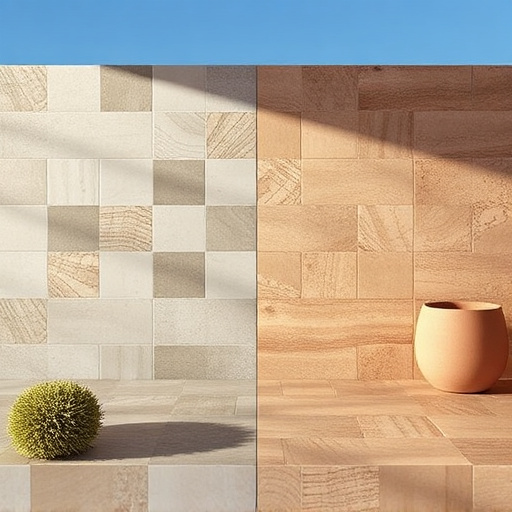
When considering a new roof in the desert climate of Oro Valley, understanding the nuances of different tile types is crucial. Concrete and clay tiles are two popular choices, each with unique attributes that can significantly impact the performance and longevity of a roof. This section examines the key differences between concrete and clay tiles, offering insights that are particularly relevant when planning a tile roof for additions or replacements.
In the harsh desert heat, concrete tiles have gained a reputation for durability. They are heavier than clay tiles, offering superior weight distribution on framing, a critical factor in resisting high winds and intense weather conditions. Concrete is also less prone to damage from foot traffic, making it ideal for areas with frequent activity or heavy loads. Concrete tiles are resistant to efflorescence, a chemical process that can cause surface discoloration on clay tiles, leading to unsightly sun-faded colors. This makes concrete an excellent choice for homes with Spanish Colonial Revival architecture or Santa Fe style interiors, where aesthetic authenticity is paramount.
On the other hand, clay tiles have been a traditional favorite for their aesthetic appeal and ease of installation. Barrel tile, a common clay tile style, lends a distinctive look to many historic homes, especially those with a Spanish mission tile aesthetic. Clay tiles are lighter than concrete, making them easier to handle during installation, particularly for tile roofs on additions. However, clay tiles require a dry ridge system, which, while offering benefits in terms of water management, can be more susceptible to damage in areas prone to high winds. A licensed Oro Valley area roofing contractor may recommend different underlayment systems for concrete versus clay tiles, taking into account factors like lifespan and two-layer underlayment options.
Heat Performance: How Clay and Concrete Tile Roofs Endure
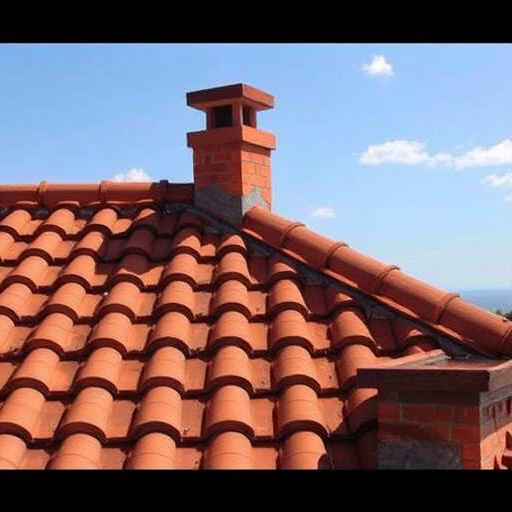
In the arid heat of the desert, the choice of roofing material can significantly impact a structure's performance and longevity. When considering a tile roof for your Oro Valley addition, understanding the heat performance differences between concrete and clay tile is crucial. Both materials have their advantages, especially in this climate, but each responds uniquely to the extreme temperatures and sunlight characteristic of the region.
Concrete tile, a robust and popular choice for new builds and additions, offers excellent heat resistance. This is due to its dense composition, which acts as a natural insulator, helping to regulate interior temperatures. Unlike clay tile, concrete does not expand or contract drastically with temperature changes, reducing the risk of warping or cracking. This stability is a significant advantage, ensuring your roof remains structurally sound over time. The durability of concrete tile makes it a low-maintenance option, as it's resistant to fading, chipping, and damage from foot traffic-a common concern in high-pedestrian areas.
On the other hand, clay tile, a traditional and aesthetically pleasing choice, particularly in Spanish Colonial Revival architecture, has its own set of benefits. Clay tiles are lightweight, making them easier to install and less taxing on the framing. However, their porosity can lead to challenges in hot, dry climates. Clay tiles are susceptible to efflorescence, a white powdery deposit that can appear on the surface due to mineral residue in the tile and moisture absorption. This aesthetic issue can be mitigated with proper sealing and regular maintenance. Clay tile also performs well in terms of fire resistance, a critical safety feature in desert environments.
When selecting a tile roof for your Oro Valley addition, consider these factors. If aesthetics and a classic look are paramount, clay tile might be the better choice. Yet, if you're prioritizing long-term durability and low maintenance, concrete tile could be the ideal option. A local roofing company serving Oro Valley can guide you through these considerations, ensuring the best choice for your specific needs and the unique conditions of the Oro Valley region.
Installation Considerations: Tile Roofs on Additions, A Practical Guide
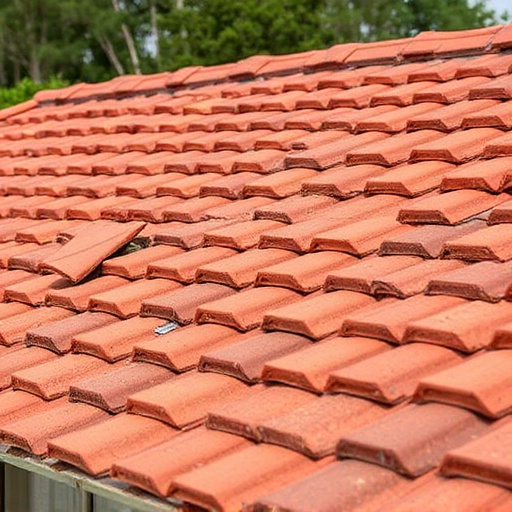
When considering a tile roof for a new addition in the Oro Valley area, a licensed Oro Valley area roofing contractor often encounters a common dilemma: concrete vs. Clay. Both materials have their merits, but they perform differently in the unique desert heat, requiring specific installation considerations. Barrel tile, a type of clay tile often seen in Santa Fe style homes, excels at shedding water quickly, preventing pooling and reducing the risk of rot. However, clay tile is more susceptible to heat-related expansion and contraction, necessitating a flexible, movement-accommodating installation.
In contrast, flat tile, while appearing simpler, offers more stability in the extreme temperatures. Concrete tiles, being denser, remain cooler under the desert sun, minimizing heat transfer into the attic. This can lead to significant energy savings. However, their weight necessitates a stronger framing system, and their rigid nature requires precise installation to avoid cracks or warping over time. Proper underlayment, like a two-layer system, is crucial for both types to protect against damage from foot traffic, wind, or debris accumulation in the valleys.
The choice ultimately depends on the homeowner's aesthetic preferences, budget, and the structure's specific needs. A skilled roofing contractor will guide the decision, ensuring the chosen tile type is compatible with the building's design, structural integrity, and long-term performance. Whether it's the traditional charm of barrel tile or the modern, sleek look of flat tile, a well-installed tile roof can enhance any Oro Valley home, especially when the expert advice of a local roofing contractor is factored in.
Longevity and Maintenance: Comparing Clay and Concrete Tile Lifespans
The longevity and maintenance of a tile roof are crucial factors for any homeowner, especially in harsh climates like that of Oro Valley. When considering new tile roofs for additions or replacements, understanding the differences between concrete and clay tiles is essential. Both materials offer aesthetic appeal and durability, but they have distinct characteristics that impact their lifespan and upkeep. This analysis will examine the pros and cons of each, focusing on their performance in desert heat, a common challenge in our region.
Concrete tiles have gained popularity for their strength and durability. In desert environments, concrete tiles are particularly advantageous. They are less susceptible to the damaging effects of hail, a common threat in nearby areas like Rancho Vistoso. Concrete's dense composition resists weathering and fading, ensuring the roof retains its original appearance for longer. Their heavier weight provides additional stability, reducing the risk of damage from strong winds. However, concrete tiles are more susceptible to efflorescence, a white powdery substance that can appear on the surface and requires regular cleaning to maintain.
On the other hand, clay tiles are a traditional choice known for their charming, natural aesthetic. They have been a staple in Spanish Colonial Revival architecture, often seen in historic homes throughout Oro Valley. Clay tiles offer excellent fire resistance, a valuable feature for any homeowner. Yet, they are more delicate than concrete, making them prone to damage from foot traffic and debris accumulation in valleys and gutters. Clay roofs may also require more frequent replacement of damaged tiles and underlayment, such as two-layer systems, due to their fragility. A licensed Arizona roofer recommends regular inspections to identify and address issues early, ensuring the longevity of these roofs.
When deciding between concrete and clay for tile roofs on additions, homeowners should consider the local climate, structural integrity, and maintenance preferences. While clay tiles add a distinct aesthetic, concrete tiles may be the more durable and low-maintenance option, especially in extreme desert heat. Proper installation, including the use of mortar set or dry ridge techniques and suitable underlayment, is crucial for both types to achieve their maximum lifespans. Regular cleaning and inspections, especially after severe weather, are essential to maintaining the integrity and beauty of any tile roof.
Frequently Asked Questions About a comparison of concrete and clay tile in desert heat
What is the primary difference between concrete and clay tile roofs?
Concrete tiles are heavier, more durable, and often designed for thicker installations, making them ideal for desert environments where extreme heat and weight bearing are concerns. Clay tiles, on the other hand, are lighter, more susceptible to heat expansion and contraction, and traditionally chosen for aesthetic appeal. In desert heat, concrete tiles may offer better performance due to their heat resistance.
Which type of tile is better suited for the extreme heat of a desert climate?
Concrete tiles are generally better suited for desert climates. Their higher density and composite structure can withstand the intense heat better than clay tiles, which can crack or warpage under extreme temperature fluctuations. Concrete tiles also offer superior fade resistance, ensuring they maintain their aesthetic appeal for longer periods.
Do concrete tiles offer any advantages over clay tiles in terms of installation?
While installation complexity can vary based on the specific tile and local conditions, concrete tiles often install faster due to their uniform shape and weight. Clay tiles, with their variability in size and thickness, may require more precise cutting and fitting, potentially adding to installation time.
How do concrete tiles hold up to the desert's harsh weather conditions?
Concrete tiles are highly resistant to wind, rain, and extreme temperatures. Their dense composition prevents water absorption, reducing the risk of mold, mildew, or rot. In desert environments, concrete tiles' superior durability and heat resistance make them a smart choice for long-term protection against the elements.
Are there any maintenance considerations when choosing between concrete and clay tiles?
Both tile types require minimal maintenance, but concrete tiles may be slightly easier to maintain due to their resistance to stains and damage. Clay tiles, while beautiful, can be more prone to staining from bird droppings or algae, requiring periodic cleaning. Regular cleaning and inspection are recommended for both tile types to ensure their longevity.
Which type of tile is more environmentally friendly?
Concrete tiles are generally considered more environmentally friendly. Their production involves less water consumption and lower carbon emissions compared to clay tile manufacturing. Concrete is a recyclable material, contributing to their sustainability.
This article has provided a practical guide to navigating the selection and maintenance of tile roofs in the harsh desert climate. By examining the concrete and clay tile types, we've highlighted the distinct performance characteristics in heat endurance, making informed choices crucial for Oro Valley homeowners. Installation considerations for tile roofs on additions were explored, offering practical insights from industry experts, including the Arizona Solar and Roofing Association. Key takeaways include the importance of proper underlayment systems, such as two-layer methods, to mitigate foot traffic damage and protect against efflorescence on concrete tiles. Understanding mortar set versus dry ridge techniques ensures efficient installation and longevity. The article emphasizes the value of regular maintenance, such as cleaning tile roofs safely and considering tile roof sealers, to preserve aesthetics and structural integrity. For homeowners contemplating tile roofs on additions or replacements, this guide offers a solid foundation, encouraging proactive care to ensure these durable roofing solutions stand the test of time against the desert heat.
In the Oro Valley desert heat, concrete tiles excel in durability and heat resistance, offering superior weight distribution, protection against efflorescence, and lower maintenance. Clay tiles, though traditionally appealing, are lighter, easier to install, but more prone to heat-related expansion, efflorescence, and damage from foot traffic, requiring a dry ridge system and regular inspections. Choosing between them depends on aesthetics, budget, and structural needs, with concrete ideal for harsh conditions and clay suitable for historic homes with specific architectural styles. Proper installation, underlayment, and regular care are crucial for the longevity of both.