
In the arid climate of flat tile profiles, like Oro Valley, choosing the right roof is a significant investment. Tile roofs, known for their durability and aesthetic appeal, such as the Spanish mission tile homes in the area, offer protection against intense sun and wind. However, they come with unique challenges. From efflorescence on concrete tiles to potential damage from foot traffic and high winds, tile roofs require careful maintenance. Understanding the underlayment lifespan, choosing the right nailing patterns, and even how to tile around skylights can impact long-term performance. This article provides a practical guide to navigating these complexities, from repairs to new underlayment, ensuring your tile roof stands the test of time.
- Understanding Tile Roof Costs: The Breakdown
- Repairing Your Tile Roof: Step-by-Step Guide
- New Underlayment: Protecting Your Flat Tile Roof
- Tile Around Skylights: Best Practices & Costs
Understanding Tile Roof Costs: The Breakdown
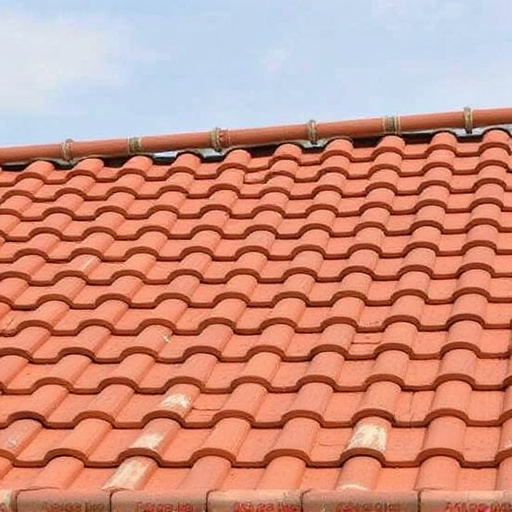
Understanding Tile Roof Costs: The Breakdown
For tile roofing, the initial investment is just the beginning. To ensure your roof remains in top condition, you need to factor in ongoing maintenance, repairs, and replacement costs. Let's break down the various components that contribute to tile roof expenses, from underlayment to repairs around skylights.
The structural underlayment, a crucial component often overlooked, matters in protecting your tile roof from the harsh desert climate. A quality underlayment, like a two-layer dry ridge system, acts as a secondary barrier against water intrusion, protecting against leaks and mold growth. This system, while adding to the upfront cost, significantly extends the lifespan of your roof, potentially saving you money in the long run. A licensed Arizona ROC contractor recommends considering the investment in a high-quality underlayment, especially in areas prone to hail, as it can deter damage from extreme weather events.
Repairs and replacements can vary widely in cost, with issues like efflorescence on concrete tiles, foot traffic damage, or tile batten rot requiring professional attention. Cleaning tile roofs safely is a specialized service, and regular maintenance, such as re-nailing loose tiles or repairing tile around skylights, should be part of your annual roof care routine. These tasks, while necessary, contribute to the ongoing expense of maintaining a tile roof.
When considering a complete roof replacement, factors like tile type (S tile or flat) and material (clay or concrete) play a significant role in the final price. Clay tiles, though beautiful, are more labor-intensive to install and may require additional support structures, impacting the overall cost. In contrast, concrete tiles, while more durable, might be a more cost-effective option, especially for new builds. Remember, the local building department, such as Oro Valley's, may have specific regulations and guidelines that influence the choice of materials and designs.
Repairing Your Tile Roof: Step-by-Step Guide
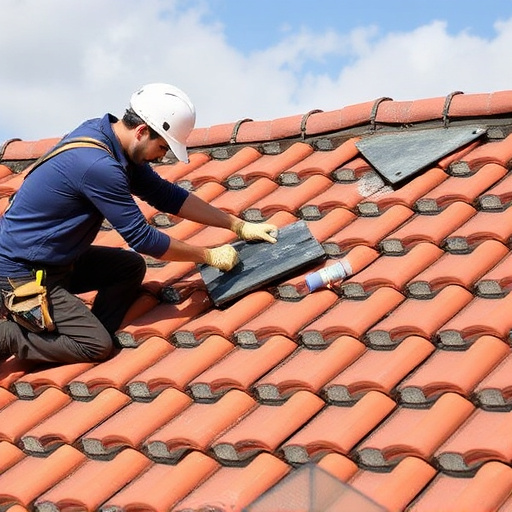
Repairing your tile roof is a significant undertaking, but with the right guidance, you can ensure the job is done right. This step-by-step guide focuses on repairing and maintaining your tile roof, addressing common issues like cracked or missing tiles, efflorescence, and ridge system damage. The process varies slightly depending on whether you have barrel tile or flat tile profiles, but the core principles remain the same.
Start by inspecting your roof for damage. Look for loose or missing tiles, which can be easily replaced using appropriate tools and new tiles from local distributors like Arizona Tile. For barrel tile, ensure the underlayment is intact and secure, as these tiles are heavier and require more robust support. If you spot efflorescence-a white, powdery substance on concrete tiles-it usually indicates a moisture issue. Address this by improving ventilation and considering a tile sealer to prevent future problems. For flat tile, check the dry ridge system, which connects the tiles and prevents water penetration. Damage here can lead to leaks and attic heat, so use tile clips in high wind to secure the ridge.
Next, prepare the area around skylights, which often require special attention due to their location. Remove any debris and ensure the surrounding tiles are in good condition. When repairing or replacing tiles, use a mortar set or dry ridge system depending on the existing setup. A two-layer underlayment system, which adds extra protection against water and foot traffic damage, can extend the lifespan of your tile roof. DC Roofing of Arizona often recommends this for new builds or additions. Regular cleaning and maintenance, including checking for pest entry points and inspecting the flashing at side walls, are crucial to preserving your tile roof's integrity.
Finally, consider the weight of your tile roof on the framing and ensure the structure can support it. Storing spare tiles and checking for noise or wind damage are also part of responsible ownership. Remember, proper tile roof care not only enhances the aesthetics of your Spanish Colonial Revival architecture or Santa Fe style interior but also ensures the longevity of your investment.
New Underlayment: Protecting Your Flat Tile Roof
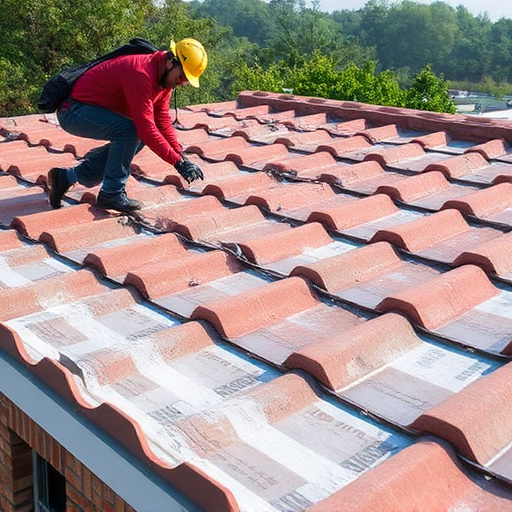
For protecting your tile roof investment, especially in the unique climate of Oro Valley and Rancho Vistoso, a key consideration is the underlayment. The underlayment is a crucial barrier between your roof tiles and the elements, offering protection against water intrusion, extreme temperatures, and foot traffic. This is particularly important in our region, where intense sun and wind can take a toll on even the sturdiest of materials.
A new underlayment can significantly extend the life of your tile roof. Traditional 30 lb felt underlayment, a common choice for many flat tile roofs, offers a basic level of protection but is susceptible to damage from high winds and may not provide adequate insulation. For a more robust solution, consider ridge mortar, a time-tested alternative that offers superior strength and long-lasting protection. Ridge mortar is a mixture of concrete and sand that is applied along the ridge line of the roof, creating a solid barrier that can withstand extreme conditions, including high winds and intense sunlight. This method is particularly effective for tile around skylights, which are often more vulnerable to damage from weather and debris.
When replacing or installing a new underlayment, it's crucial to follow local building codes and consult with a roofing contractor serving Oro Valley and Marana. The Oro Valley Building Department provides guidelines to ensure that any new installations meet safety and structural integrity standards. A professional contractor will assess your specific needs, taking into account factors like roof pitch, the type of tiles used, and local weather patterns. They will recommend the most suitable underlayment, whether it's a traditional felt or a more advanced solution like ridge mortar, ensuring a long-lasting and weather-resistant roof.
Remember, proper underlayment installation is just one part of maintaining a healthy tile roof. Regular inspections by a licensed Tucson roofing contractor, timely repairs, and routine cleaning are essential to preserving the aesthetics and structural integrity of your roof. By addressing underlayment and other maintenance needs, you'll protect your investment and ensure your tile roof continues to provide beautiful, reliable shelter for years to come.
Tile Around Skylights: Best Practices & Costs
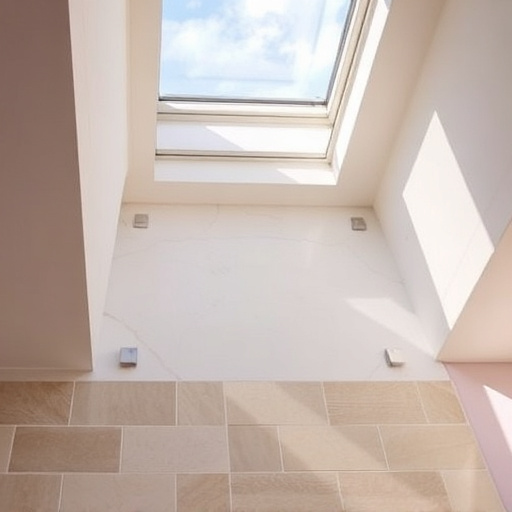
Tile roofs are a popular choice in Tucson, particularly for their durability and aesthetic appeal. For tile around skylights, proper installation and maintenance are crucial. Skylights can be a point of weakness for tile roofs due to increased UV exposure and potential water intrusion.
When installing or repairing tile around skylights, it's essential to use the right materials and techniques. Barrel tile is often a good choice for skylight surrounds due to its curved shape, which can better shed water and debris. A roofer with an Arizona ROC license recommends using a dry ridge system to further enhance water management. This system, which features a raised ridge along the tile edge, allows water to flow off the roof efficiently, preventing water damage and efflorescence on the tile.
Regular inspection and maintenance are key to preserving the integrity of tile around skylights. Homeowners should look for signs of damage, such as cracked or loose tiles, and address these issues promptly. Local utility companies and the Oro Valley Fire Department can provide valuable assistance during power outages or in case of emergency repairs. Landscaping services can help maintain proper drainage around the skylight to prevent water pooling and potential rot in the tile battens.
Over time, tile roofs may require replacement of the underlayment, which can be a multi-layer system to provide maximum protection. Understanding the lifespan of these components and the specific needs of tile around skylights can help homeowners budget for necessary repairs or replacements. A well-maintained tile roof, with proper care and attention to details like tile headlap and nailing patterns, can last for decades, enhancing the value and curb appeal of a home.
Frequently Asked Questions About a Plain Language Look at Tile Roof Costs, from Repairs to New Underlayment
What is the average cost of repairing a tile roof?
Tile roof repairs can vary greatly in cost, from $100 to $1,000 or more, depending on the extent of the damage. Common repairs include replacing missing or broken tiles, repairing flashing, and sealing leaks. The price depends on the size of the roof, the complexity of the repair, and the type of materials used. Replacing a single tile might cost around $50, while repairing extensive damage or replacing a section of the roof could run into the hundreds.
How do I know if my tile roof needs replacing?
Several signs indicate that your tile roof may require replacement. These include missing or damaged tiles, leaks, rusted or deteriorates flashing, and age. Most tile roofs last 25 to 50 years, but their lifespan can be shorter if they are poorly maintained or exposed to harsh weather conditions. A licensed Tucson roofing contractor, like DC Roofing of Arizona, can inspect your roof to determine its condition and recommend the best course of action.
What factors influence the cost of installing a new tile roof?
The cost of installing a new tile roof varies based on several factors: the size and pitch of the roof, the type of tiles chosen, labor costs, and the complexity of the installation. Tile roofs can range from $5,000 to $15,000 or more for a typical residential home. Premium tiles, complex designs, or additional underlayment can significantly increase the cost.
Can I install a tile roof myself, or do I need a professional?
While some homeowners may be capable of installing a tile roof themselves, it is generally recommended to hire a professional for several reasons. Tile roofs require specialized knowledge and tools for proper installation, flashing, and sealing. A licensed roofer ensures your roof is installed correctly, preventing future leaks and damage. Plus, professional installers are insured, providing protection in case of accidents.
What is the purpose of new underlayment when installing or repairing a tile roof?
Underlayment acts as a protective layer beneath the tile, providing a secondary barrier against moisture. It helps to seal leaks, protect against water damage, and extend the life of your roof. There are different types of underlayment, including felt paper and synthetic underlayments, each offering specific benefits. A licensed Arizona roofer will recommend the best underlayment for your roof based on its design, location, and expected weather patterns.
Are there tax incentives or rebates for tile roof repairs or replacements?
Homeowners in Tucson may be eligible for tax incentives or rebates when making energy-efficient improvements to their homes, including installing a tile roof. These incentives can reduce the overall cost of the project. Contact local building departments or energy efficiency programs for specific information on available rebates and guidelines.
How can I get an accurate estimate for my tile roof project?
To get an accurate estimate, contact several licensed Tucson roofing companies for quotes. Provide them with detailed information about your roof, including its size, age, and any specific issues. Compare the estimates received and ask for clarification on any costs you're unsure about. An experienced Tucson roof inspector can also help you understand your roof's condition and the scope of work required.
As you've navigated this guide, you've gained valuable insights into the world of tile roofing, from the costs involved in repairs and new underlayment installations to the specific considerations when dealing with tile around skylights. Understanding the breakdown of tile roof costs is crucial for any homeowner in Tucson, as it allows you to budget effectively and make informed decisions. The step-by-step repair guide offers practical knowledge, empowering you to address minor issues yourself and potentially save on professional services. The focus on new underlayment systems highlights the importance of protection against the desert heat, efflorescence, and foot traffic damage, all while considering the lifespan and weight of the roof structure. Tile around skylights, a unique challenge, requires specific best practices to ensure both functionality and aesthetic appeal. By following these guidelines, you can ensure your tile roof remains a reliable and beautiful part of your home, even when dealing with the region's specific conditions and design preferences, such as the Spanish Colonial Revival or Santa Fe style.
Tile Roof Costs and Maintenance: A Practical guide
- Underlayment: Crucial for protecting against water, extreme weather, and foot traffic. Quality underlayment extends roof lifespan, especially in harsh climates.
- Repairs and Replacement: Regular maintenance, including re-nailing, cleaning, and repairing around skylights, is necessary. Complete replacements consider tile type (clay/concrete), material, and local building codes.
- Tile Around Skylights: Special attention required due to increased UV exposure and water intrusion risks. Barrel tile and dry ridge systems recommended for better water management.
- Maintenance Tips: Inspect for damage, maintain proper drainage, and address issues promptly. Regular inspections and budget for long-term repairs/replacements.
- Expert Guidance: Consult licensed Tucson roofing contractors for personalized advice, ensuring structural integrity and aesthetic appeal.