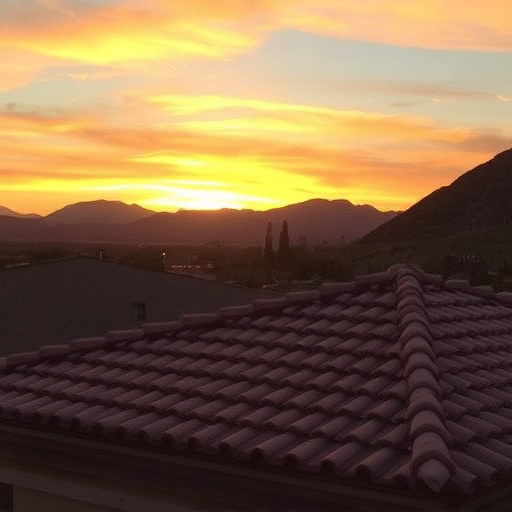
In the arid heat of the desert, the choice of roofing material can make a significant difference in a home's comfort and longevity. With the rising temperatures and extreme conditions, understanding the performance of concrete versus clay tile roofs is crucial. This article examines the pros and cons of each option, particularly focusing on their behavior in desert heat, durability, and fire resistance of tile roofs-a critical consideration for any homeowner in this region. We'll explore practical solutions and best practices for maintaining these iconic roofing systems, ensuring your home remains protected and aesthetically pleasing for years to come.
- Understanding Desert Heat's Impact on Tile Roofs
- Concrete vs. Clay: Natural Fire Resistance Comparison
- Installation and Maintenance Considerations in Arid Climates
- Longevity, Cost, and Sustainability Analysis for Desert Homes
Understanding Desert Heat's Impact on Tile Roofs
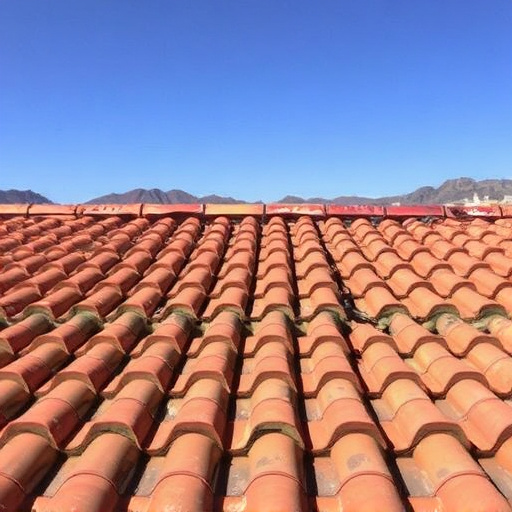
The unique challenges posed by desert heat demand special consideration when choosing a roofing material, particularly for tile roofs. Clay and concrete tile, both popular choices in arid climates, exhibit distinct characteristics that can impact performance, longevity, and even fire resistance in the intense heat of an Arizona summer.
Concrete tile, known for its durability and weight, offers excellent resistance to heat. While concrete absorbs heat slowly and releases it gradually, this mass can lead to slight expansion and contraction with temperature fluctuations. Proper installation is crucial to prevent cracks and damage. A roofing contractor serving Oro Valley and Marana recommends using a 30 lb felt underlayment and appropriate bird stop to secure the tiles and protect against wind damage, common in high-wind events.
Clay tile, on the other hand, is lighter and more susceptible to heat-related issues. In desert heat, clay can become brittle, making it prone to breaking during installation or under extreme temperature changes. However, clay tile has a long-standing history in the region, and when properly maintained, its natural fire resistance makes it a popular choice for homes in fire-prone areas. Regular cleaning to remove dirt and efflorescence, and the application of suitable tile sealers, can significantly enhance both the appearance and durability of clay tile roofs.
The choice between concrete and clay tile depends on individual preferences, building design, and budget. Both materials offer viable options for desert climates, but understanding their respective strengths and weaknesses in the face of intense heat is essential for ensuring a roof's longevity and fire resistance.
Concrete vs. Clay: Natural Fire Resistance Comparison
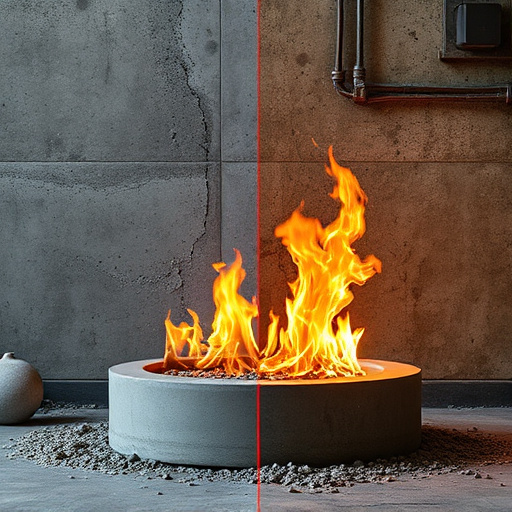
When considering tile roofing options for your Oro Valley home, understanding the natural fire resistance of different materials is crucial, especially given the region's specific climate challenges. This is where concrete and clay tile roofs differ significantly, with concrete offering a distinct advantage in fire-prone areas. Let's examine the comparison, focusing on the inherent fire resistance of these two common tile types.
Concrete tile roofs have long been recognized for their superior fire resistance. This attribute stems from the very nature of concrete, a material composed of a mixture of cement, water, sand, and gravel. In desert environments, where high temperatures and dry conditions prevail, concrete's ability to withstand intense heat becomes a significant safety feature. Unlike clay tiles, which can become brittle and fragile under prolonged UV exposure, concrete tiles are designed to resist thermal shock, ensuring they don't break down easily even in extreme heat. This makes concrete tile roofs a preferred choice for homeowners in areas prone to wildfires, as they provide a robust barrier against the intense heat and flames.
When installed properly, with adequate mortar and tile clips to secure each tile, a concrete tile roof offers substantial protection against fire. The thick, dense material acts as a thermal insulator, slowing the transfer of heat. The use of barrel tile, a curved tile design, further enhances the roof's performance by allowing water and debris to shed more easily, reducing the risk of fire spread. An experienced Oro Valley roof specialist will attest to the importance of these details in creating a fire-resistant barrier.
In contrast, clay tiles, while aesthetically pleasing and historically used in Spanish mission-style homes, present a different picture for fire resistance. Clay is a natural material that expands and contracts with temperature changes, making it more susceptible to breakage, especially when exposed to the intense UV radiation common in desert climates. Over time, UV exposure can weaken the clay, leading to cracks and chips, which can compromise the roof's overall integrity and fire protection. Thus, while clay tile roofs have their charm, they may not provide the same level of natural fire resistance as their concrete counterparts.
Installation and Maintenance Considerations in Arid Climates

In arid climates like that of Oro Valley, the choice between concrete and clay tile roofs involves thoughtful consideration of installation and maintenance. While both materials offer excellent fire resistance, a key factor in desert environments is their response to extreme heat and UV exposure. Concrete tiles, despite their weight, are highly resistant to heat and maintain their integrity in direct sunlight, outperforming clay tiles in this regard. However, clay tiles, when properly installed and maintained, offer superior protection against hail, a common threat in the area.
A licensed Oro Valley area roofing contractor recommends a 30-lb felt underlayment for concrete tile roofs, providing added protection against moisture intrusion and thermal transfer. This is particularly important due to the material's higher heat retention. Conversely, clay tile roofs may require a thicker underlayment to compensate for their porosity, which can be more susceptible to water damage. The installation process also plays a crucial role. Proper nailing patterns and the use of tile clips in high wind conditions, as recommended by the Arizona Solar and Roofing Association, ensure that concrete tiles withstand intense winds, while clay tiles benefit from the protection of mortar set between the courses.
Regular maintenance is vital for both types. Inspecting for efflorescence on concrete tiles-a white powdery substance indicating salt buildup-and cleaning them safely, without damaging the finish, is essential. Clay tiles, on the other hand, may require more frequent checks for foot traffic damage and pest entry points. When installing tile around skylights or over additions, careful consideration of weight and structural integrity is necessary, with concrete tiles often being the preferred choice for heavier structures. The fire resistance of tile roofs is a significant advantage, especially when combined with proper underlayment and maintenance, ensuring the safety of both home and surrounding areas during wildfires, a significant concern in the region.
Longevity, Cost, and Sustainability Analysis for Desert Homes
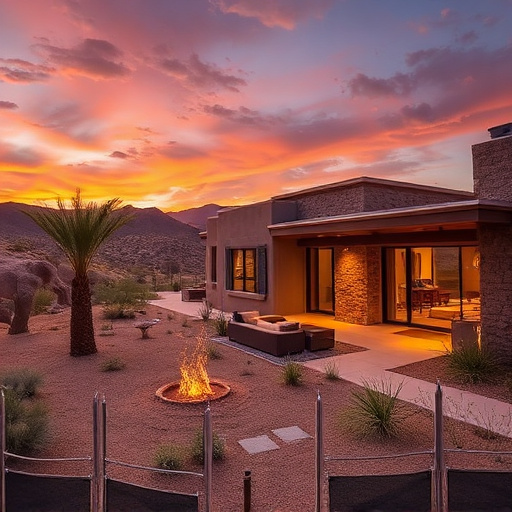
When choosing between concrete and clay tile roofs for a desert home, longevity, cost, and fire resistance are paramount considerations. Both materials have their merits, but concrete tile, with its superior fire resistance and durability, holds an edge in this arid climate. Let's examine a practical analysis, focusing on Oro Valley and Marana, to help you make an informed decision for your Spanish Colonial home.
Concrete tile roofs are renowned for their exceptional fire resistance, a critical factor in a region prone to wildfires. This advantage stems from the inherent non-combustible nature of concrete, making it a safer choice for desert residents. While clay tile is also fire-resistant, concrete's superior strength and resistance to heat retention offer a more robust defense against flame damage. Concrete tile is less susceptible to the intense UV radiation and extreme temperatures characteristic of the desert, leading to a longer lifespan.
While clay tile has traditionally been the go-to choice for aesthetic appeal and historical significance in Spanish Colonial homes, concrete tile is quickly gaining popularity for its longevity and low maintenance. The initial cost of concrete tile may be slightly higher, but its durability translates into long-term savings. A roofing contractor serving Oro Valley and Marana can provide detailed cost comparisons, factoring in replacement frequency and repair costs for each material over time. To its durability, concrete tile requires less maintenance, needing only periodic cleaning and occasional re-sealing. Clay tile, on the other hand, is more prone to breaking under extreme conditions, requiring more frequent replacement and costly repairs.
When considering the environmental impact, concrete tile holds an advantage. Its production and transportation generate fewer carbon emissions compared to clay tile, contributing to a more sustainable building practice. Concrete's recyclability ensures a lower environmental footprint over the roof's lifespan. For homeowners looking to minimize their ecological impact, this added sustainability benefit can be a deciding factor. The choice between concrete and clay tile depends on individual preferences, budget, and specific design goals, but for enhanced fire safety and long-lasting durability in the desert heat, concrete tile is an excellent, reliable option.
Frequently Asked Questions About a comparison of concrete and clay tile in desert heat
What is the primary difference between concrete and clay tile roofs?
Concrete tiles offer superior durability and strength, making them a top choice for desert climates. They are less prone to warping or cracking due to extreme heat compared to clay tiles. In contrast, clay tiles, while aesthetically pleasing, are more susceptible to heat-related damage, requiring more frequent replacement and maintenance in hot environments.
Which material is more heat-resistant in desert conditions?
Concrete tiles are the clear winner in terms of heat resistance. Their dense composition allows them to absorb and retain less heat, reducing the overall temperature on the roof. This property helps in minimizing heat transfer into the home, leading to improved energy efficiency.
Do concrete tiles require more maintenance than clay tiles?
While concrete tiles are more durable, they do require some maintenance. They can be prone to staining from algae or mold, especially in areas with high humidity. Regular cleaning and sealing can mitigate these issues. Clay tiles, on the other hand, may need more frequent replacement due to their fragility in extreme heat.
Which material offers a longer lifespan in a desert environment?
Concrete tiles have a significantly longer lifespan, often lasting 50 years or more, making them a cost-effective long-term investment. Clay tiles typically have a shorter lifespan, averaging around 25-30 years, considering the increased breakage rate in hot conditions.
Are there any environmental benefits to choosing concrete tiles?
Yes, concrete tiles are an eco-friendly option. They are made from locally sourced materials, reducing the carbon footprint of transportation. Their longevity means they contribute less to construction waste, making them a sustainable choice.
Can concrete tiles be installed in areas with varying temperatures?
Absolutely. Concrete tiles are versatile and can withstand extreme temperature fluctuations, making them suitable for desert heat as well as colder climates. Their stability ensures they remain in good condition, even in areas with significant seasonal temperature changes.
As we've explored the comparison between concrete and clay tile roofs in desert heat, several key insights emerge. First, both materials offer distinct fire resistance benefits, with concrete tiles inherently providing superior protection due to their dense composition. Clay tiles, while less fire-resistant, can still meet building codes and offer aesthetic appeal. Installation and maintenance in arid climates require specific strategies, such as proper flashing at side walls, effective tile nailing patterns, and regular inspections to mitigate foot traffic damage and pest entry points.
The longevity, cost, and sustainability analysis reveals that while concrete tiles may be more expensive upfront, their durability and reduced maintenance needs can lead to long-term savings. Clay tiles, though more affordable, may require more frequent replacement and repair. Considering a desert home's unique needs, understanding the fire resistance of tile roofs and implementing proper care can ensure a safe, sustainable, and aesthetically pleasing structure.
Staying informed about local building codes and engaging in proactive tile roof care will contribute to a home's overall resilience and value.
Choosing the right tile roof for a Tucson home involves balancing fire resistance, durability, and cost. Concrete tile excels in fire safety, heat resistance, and longevity, making it a superior choice for arid climates. Clay tile, though historically popular, is more susceptible to heat damage and breaking, despite its natural fire resistance. Installation, maintenance, and cost considerations are key. Concrete tile offers better fire protection and lower environmental impact, while clay tile may be preferred for traditional aesthetics and lower initial costs. A licensed roofing contractor should guide selection and ensure proper installation for optimal roof performance and safety.