
Tile roofing is a defining feature of Spanish and Santa Fe style homes, adding both aesthetic appeal and structural integrity. However, choosing the right tile profile and color can be overwhelming, especially in the harsh desert climate where the choice between clay and concrete tiles becomes crucial. This guide is designed to demystify the decision process, offering insights into the pros and cons of different tile types in desert heat. We'll explore how to balance beauty, durability, and functionality, ensuring your tile roof not only enhances your home's exterior but also stands the test of time, from preventing sun faded colors to managing efflorescence on concrete tiles. We'll guide you through the intricacies of installation, maintenance, and design considerations, empowering you to make informed choices.
- Understanding Clay and Concrete Tiles for Desert Homes
- Choosing Colors: Santa Fe Meets Modern Desert
- Tile Profiles: Shaping Your Spanish-Style Exterior
- Heat Considerations: Clay vs. Concrete in Extreme Climates
Understanding Clay and Concrete Tiles for Desert Homes
When considering roofing options for a desert home, especially in the Oro Valley area, homeowners often find themselves weighing the pros and cons of clay versus concrete tiles. This decision is crucial, as the region's intense UV exposure, extreme heat, and varying weather patterns can significantly impact the performance and longevity of these materials. Let's examine the characteristics of both types, focusing on their behavior in the unique desert climate.
Clay tiles have long been a staple in traditional Spanish and Santa Fe style homes. They offer a distinctive aesthetic, with a rich, natural color that can complement the region's architectural heritage. However, clay tiles are sensitive to the desert's harsh conditions. The UV exposure can cause them to fade over time, resulting in a loss of color and, if not properly sealed, efflorescence-a white powdery residue-can appear on the surface. To combat these issues, homeowners should opt for high-quality tiles with a thick body and consider a regular cleaning regimen. A mild detergent and soft brush can help maintain their appearance.
On the other hand, concrete tiles are increasingly popular for their durability and versatility. They are less susceptible to the effects of UV exposure, making them a more long-lasting option. Despite their concrete composition, concrete tiles can still be aesthetically pleasing, offering a more modern take on the Santa Fe style. When choosing between clay and concrete, it's essential to consider the structural integrity of the roof. Concrete tiles are generally heavier, so the framing must be robust enough to support them. DC Roofing of Arizona, a local and licensed roofing contractor, recommends evaluating the existing structure before selecting a material, ensuring a safe and secure installation.
The choice between clay and concrete tiles ultimately depends on individual preferences and the home's design goals. Both materials have their merits, and with proper care and maintenance, they can both stand the test of time in the desert environment. Understanding the nuances of each type ensures a successful and durable roof installation, enhancing the beauty and value of your Oro Valley residence.
Choosing Colors: Santa Fe Meets Modern Desert
Choosing colors for a Spanish or Santa Fe-style home in the desert climate involves a delicate balance between traditional aesthetics and modern functionality. One key decision point is the choice between clay and concrete tiles. While clay tiles have long been a staple in these architectural styles, offering a rich, rustic charm, they can be susceptible to sun fading and efflorescence when exposed to the intense desert heat. Concrete tiles, on the other hand, are known for their durability and heat resistance, making them a popular choice for modern desert homes. A licensed Oro Valley area roofing contractor often recommends concrete tiles for their ability to withstand the harsh conditions, ensuring a longer-lasting roof.
In the Santa Fe aesthetic, neutral and earthy tones are prevalent, reflecting the region's natural landscape. Soft shades of red, terracotta, and ochre create a warm and inviting atmosphere. However, when selecting colors, it's crucial to consider the local climate. In desert environments, darker colors can absorb heat, potentially leading to increased roof temperatures and reduced energy efficiency. Lighter shades, such as beige, gray, or white, can be more suitable, reflecting sunlight and keeping the interior cooler. A light concrete tile with a subtle texture can mimic the traditional look of barrel tiles while offering superior heat resistance.
When designing a Spanish Colonial home, color choices can be more vibrant and bold. Rich hues of blue-gray, deep green, and burnt orange can complement the architectural details and surrounding desert scenery. Concrete tiles in these colors can provide both visual appeal and durability. It's essential to work with a roofing contractor who understands the region's design guidelines, such as those from the Arizona Solar and Roofing Association, to ensure compliance with historical design principles. They can guide homeowners on the best practices for color selection and installation, especially when considering the impact of sunlight and heat on different tile types.
Tile Profiles: Shaping Your Spanish-Style Exterior
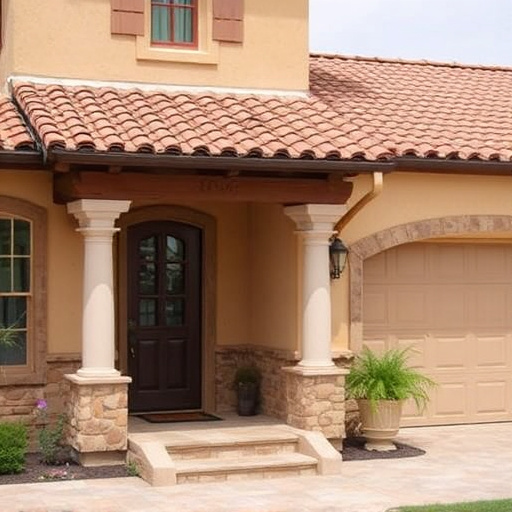
When considering a new roof or refurbishing an existing one, the shape and material of your tiles can greatly influence the aesthetic appeal and functionality of your Spanish or Santa Fe-style home. In the desert climate of Oro Valley, the choice between clay and concrete tiles is crucial, with concrete being a more durable option for withstanding the intense heat and reducing efflorescence. However, clay tiles offer a more traditional, rustic look that aligns with the historical Spanish Colonial Revival architecture so common in the area.
In neighborhoods like Rancho Vistoso, where homes often feature a blend of modern and traditional design elements, tile profiles play a significant role in defining the exterior's character. Flat tile profiles, while versatile and popular for their straightforward installation, can be more susceptible to damage from foot traffic and wind, requiring careful consideration in high-traffic areas. In contrast, slightly curved or S-tile profiles offer better protection against debris and wind-blown objects, a factor that becomes increasingly important during monsoon season and with higher wind speeds.
When selecting a tile profile, it's also vital to think about the roof's structure and the home's unique features. For additions or renovations, the existing roofline and nearby structures may dictate the choice of tile. A tile roof around skylights or at side walls requires specific flashing techniques to ensure water tightness and fire resistance, adding a layer of complexity to the installation process. A local roofing company serving Oro Valley can provide expert guidance on these considerations, ensuring your tile roof not only looks beautiful but also functions optimally for your home's unique needs.
The choice of tile profile can influence installation methods, such as using tile clips in areas prone to high winds to secure the tiles more firmly. This is particularly important in regions like Oro Valley, where tile roofs can be subjected to intense winds, potentially causing damage to the roof and the home itself. By understanding the interplay between tile profiles, materials, and local conditions, homeowners can make informed decisions to protect their investment and ensure the longevity of their Spanish or Santa Fe-style tile roof.
Heat Considerations: Clay vs. Concrete in Extreme Climates
When considering tile roofing for your Spanish or Santa Fe style home in the Oro Valley area, understanding the impact of heat is crucial. In extreme climates like ours, the desert heat poses unique challenges, particularly when comparing clay and concrete tile roofs. Clay tiles, though aesthetically pleasing and traditional, are sensitive to heat expansion and contraction, which can lead to cracks and breakage, especially in areas prone to extreme fluctuations like the Catalina Foothills. Conversely, concrete tiles are significantly denser and more robust, better able to withstand the intense heat and cold of our desert environment. A licensed Oro Valley area roofing contractor may recommend concrete tiles as a more durable option for regions with high hail activity, as their strength reduces the risk of damage from airborne debris.
A key consideration is the effect of heat on the performance and longevity of your roof. Clay tiles, when exposed to prolonged heat, can experience efflorescence, a process where mineral deposits are left behind on the tile's surface, leading to an unsightly white or gray stain. In contrast, concrete tiles are less susceptible to this issue, making them a preferred choice for homes in areas with high UV exposure. The weight of clay tiles is lighter, which may not provide the structural support needed for larger or second-story additions, whereas concrete tiles are heavier and more suitable for these scenarios.
To maximize the benefits of concrete tiles in the desert heat, it's essential to use a synthetic underlayment that offers extra protection against moisture and thermal transfer. This dual-layer underlayment system not only extends the lifespan of your roof but also helps to regulate attic heat, thereby improving energy efficiency. Proper installation techniques, such as using tile clips in high-wind conditions and ensuring adequate headlap and nailing patterns, are crucial to prevent damage from foot traffic and debris accumulation in the roof valleys. Remember, regular cleaning and maintenance, including the use of appropriate tile sealers, can significantly enhance the durability and aesthetic appeal of your Spanish mission tile home.
Frequently Asked Questions About a guide to tile profiles and colors on Spanish and Santa Fe style homes
What are the most common tile profiles for Spanish and Santa Fe homes? Spanish and Santa Fe-style homes often feature flat or slightly curved tile profiles, reflecting the region's architectural aesthetics. Flat tiles are a popular choice due to their simplicity and ease of installation. They provide a clean, modern look and are suitable for various design preferences. Slightly curved tiles, known as "S" or "L" profiles, are also common, adding subtle texture and visual interest to the roofline. These profiles are especially appealing in traditional Santa Fe designs, enhancing the building's unique character.
How do I choose the right tile color for my home's exterior? Color selection depends on your personal taste, the home's architectural style, and the surrounding environment. For Spanish-inspired homes, earthy tones like terracotta, rust, and deep browns complement the traditional aesthetic. Santa Fe-style homes, known for their vibrant culture, often feature bold colors such as vibrant red, orange, and deep blue, which can make a statement. Consider the home's overall design, the roof's shape, and the local climate to ensure the chosen colors enhance the building's beauty and durability.
Are there any specific considerations for tile installation in dry climates? Absolutely. In dry climates like Oro Valley, proper tile installation is crucial to prevent water penetration and ensure the roof's longevity. Ensure the underlayment is in good condition and consider using a more absorbent underlayment paper to handle potential moisture. Grout selection is also important; choose a grout that is suitable for dry climates and has a lower water content to reduce the risk of cracking. Regular maintenance, including cleaning and inspecting the tiles, is essential to keep the roof in top condition.
Can I mix tile profiles and colors for a unique look? Absolutely! Mixing and matching tile profiles and colors is an excellent way to create a distinctive and personalized exterior. You can blend different styles, such as combining flat tiles with a few curved ones, to add visual appeal. Color combinations can range from complementary hues to bold contrasts, allowing for creative expression. Just ensure the mix aligns with your home's overall design and architectural style.
How can I maintain the beauty of my Spanish/Santa Fe style roof tiles? Regular cleaning and inspection are key. Remove any dirt, debris, or algae buildup using a soft brush or sponge and mild detergent. Avoid harsh chemicals that may damage the tiles. For more stubborn stains, consider natural cleaning solutions like baking soda or vinegar. Inspect the tiles for any cracks, loose spots, or signs of damage and address them promptly. Repainting or resealing the tiles can also help maintain their appearance and protect against the elements.
Selecting the right tile profile and colors for your Spanish or Santa Fe style home in the desert environment is crucial for both aesthetic appeal and functional integrity.
When choosing between clay and concrete tiles for a desert home in Oro Valley, consider:
- Aesthetics: Clay tiles offer a traditional, rustic look, while concrete tiles provide a modern take on Santa Fe style.
- Durability: Concrete tiles are more heat-resistant, durable, and less prone to efflorescence in the intense desert heat.
- Structural Considerations: Concrete tiles are heavier, requiring robust framing, especially for larger structures.
- Maintenance: Both require regular cleaning and sealing, but concrete tiles may need a synthetic underlayment for improved durability.
- Local Conditions: Consult a local roofing contractor for guidance on tile profiles, installation methods, and compliance with design guidelines.