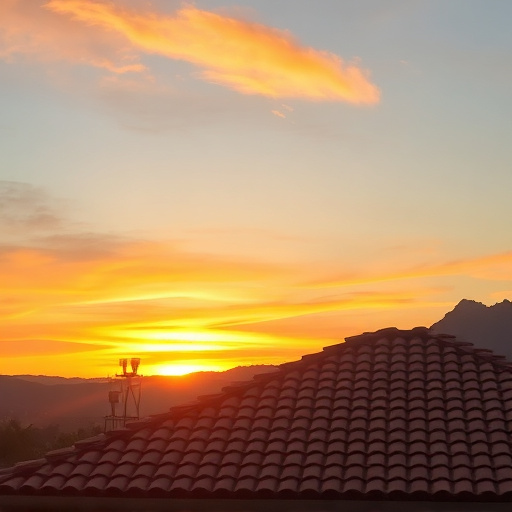
Tile roofs have become a defining feature of Oro Valley homes, offering a durable and aesthetically pleasing option for local residents. However, selecting the right type of tile-clay or concrete-is crucial, especially in the harsh desert climate. Clay tiles, traditionally popular, may not withstand the intense heat and sun exposure unique to this region, leading to faded colors and efflorescence on the concrete beneath. Concrete tiles, a newer alternative, promise superior heat resistance but require careful installation to avoid structural issues. This guide navigates the challenges of tile roofing in Oro Valley, offering insights into maintenance, design, and installation best practices tailored to this desert environment. We'll explore how to preserve your tile roof's beauty and integrity for years to come.
- Choosing Clay or Concrete: Desert Heat Considerations
- Tile Installation: Step-by-Step Guide for Oro Valley Homes
- Maintaining Tile Roofs: Strategies for Arid Environments
- Expert Tips: Enhancing Clay vs Concrete Tile Aesthetics
Choosing Clay or Concrete: Desert Heat Considerations
When choosing between clay and concrete tile roofs for your Oro Valley home, the desert climate plays a crucial role. Clay tiles, a traditional choice, offer aesthetic appeal with their natural, earthy tones. However, in the harsh heat of the Arizona sun, clay tiles can be susceptible to warping and cracking, especially without adequate protection. On the other hand, concrete tiles are designed to withstand extreme temperatures and provide a durable, low-maintenance option.
A roofer with an Arizona ROC license will advise that for desert heat, concrete tiles often outperform clay. While concrete tiles can be heavier, their density provides superior heat resistance. A two-layer underlayment system, which involves an additional layer of protection beneath the tiles, is highly recommended for both concrete and clay roofs to safeguard against extreme conditions like hail and wind. A two-layer underlayment can protect against potential damage from sudden storms, a common occurrence in the region. Consider installing bird stops along the roof edge to prevent debris from accumulating and to reduce the risk of damage from airborne objects.
The long-term benefits of concrete tiles make them a strategic choice for Oro Valley homeowners. Their resistance to efflorescence, a white powdery residue that can discolor clay tiles, ensures a cleaner, more aesthetically pleasing roof over time. Concrete tiles are less prone to foot traffic damage, a common concern in areas with high pedestrian activity.
Tile Installation: Step-by-Step Guide for Oro Valley Homes
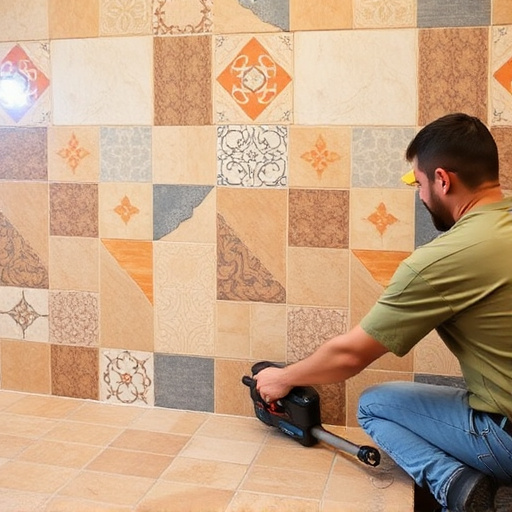
When installing tile roofs on Oro Valley homes, understanding the material choices and techniques is crucial, especially given the unique desert climate. Clay and concrete are two primary tile options, each with its advantages and considerations. In this hot, dry environment, concrete tile often outperforms its clay counterpart. Concrete tiles are more durable against the sun's intense heat, less prone to cracking, and offer a longer lifespan. However, clay tiles have their allure-they provide a traditional aesthetic, often imitating the historic Spanish Colonial Revival and Santa Fe styles popular in the region.
The installation process involves several key steps. First, prepare the roof deck, ensuring it's clean, dry, and level. Then, install underlayment, a protective layer that shields against moisture and provides an extra layer of insulation. A two-layer underlayment system is recommended for enhanced protection. Next, use tile clips to secure the tiles to the underlayment, especially in areas prone to high winds. These clips are designed to withstand strong winds and provide a secure hold. For a professional touch, consider a dry ridge system, which offers a neat, ridge-free finish.
As you lay the tiles, pay close attention to the headlap and coverage. Proper nailing patterns ensure the tiles are securely fastened. When dealing with curved roofs or skylights, adapt your nailing techniques accordingly. Remember, tile roofs require regular maintenance. Periodically check for loose tiles, efflorescence (a white crust on concrete tiles), and signs of pest damage. A roofing contractor serving Oro Valley and Marana can provide expert advice on maintenance and repairs, ensuring your tile roof remains a beautiful and functional asset for years to come. Painting concrete tiles with specialized sealers can enhance their appearance and protect against UV damage.
Maintaining Tile Roofs: Strategies for Arid Environments
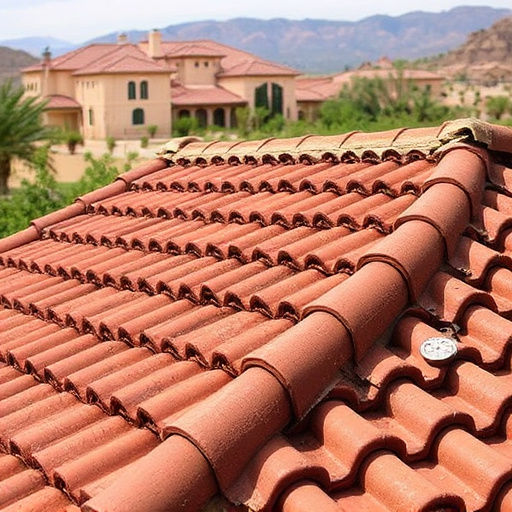
Maintaining tile roofs in the arid environment of Oro Valley presents unique challenges. One of the most significant decisions a homeowner faces is the choice between clay and concrete tiles. Clay tiles, though aesthetically pleasing and traditional, expand and contract with temperature changes, potentially leading to cracks over time. In contrast, concrete tiles are more durable and stable but may not align as closely with the region's distinctive architectural styles. A licensed Arizona roofer advises that the choice should consider both the structural integrity and the visual appeal of the home.
In extreme desert heat, concrete tiles maintain their integrity better due to their higher heat resistance. Clay tiles, while beautiful, can be more susceptible to warping or cracking under prolonged sun exposure. The installation of tile roofs requires careful consideration of the dry ridge system, which offers both water protection and ease of installation. Expert installers recommend using tile clips in high wind conditions to ensure the roof's longevity, preventing tiles from shifting or dislodging.
Regular maintenance is crucial for any tile roof. A well-maintained roof can last 30 years or more. This includes inspecting for loose tiles, checking for signs of efflorescence (a white crusting on concrete tiles that indicates salt buildup) and addressing it promptly, and ensuring proper drainage to prevent water damage. Homeowners should also be aware of potential pest entry points around the roof and gutters, which can be common in arid climates. Implementing a two-layer underlayment system further enhances protection against foot traffic damage, wind, and other environmental factors, providing an extra layer of defense against the harsh desert conditions.
Expert Tips: Enhancing Clay vs Concrete Tile Aesthetics
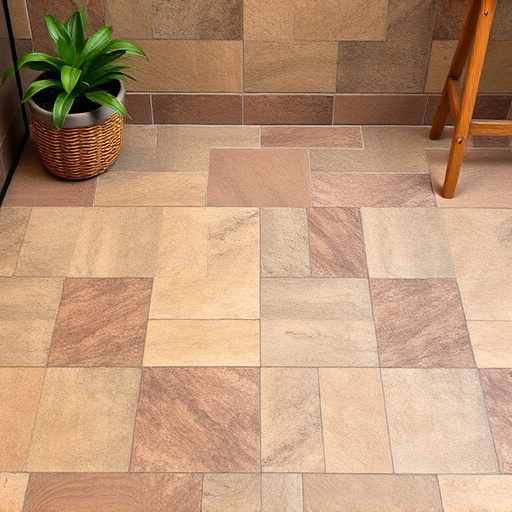
When selecting between clay and concrete tiles for your Oro Valley home, aesthetics play a significant role. The desert heat can be tough on any roofing material, but these two tile types have distinct characteristics that can enhance or challenge your roof's visual appeal. An experienced Oro Valley roof specialist recommends considering the following:
Clay tiles, known for their traditional charm, offer a natural, rustic look that aligns well with the region's architectural heritage. They are lightweight, which reduces the load on your framing, and they can withstand the desert heat with proper installation. However, clay tiles are more susceptible to damage from high winds, hail, and foot traffic. Using a ridge mortar for a secure installation and ensuring adequate headlap between tiles can mitigate these issues.
Concrete tiles, on the other hand, offer a modern, sleek appearance. They are more durable than clay tiles, resisting chipping and cracking, and they are excellent for high-wind areas. Yet, they can be heavier, potentially requiring additional structural support. Proper maintenance, including regular cleaning and sealing, is crucial to prevent efflorescence (a white, powdery residue) on their surface.
For a visually stunning, low-maintenance option, consider combining the best of both. Some tile manufacturers offer composite tiles that mimic the appearance of clay but are made from concrete, offering the durability of concrete with the aesthetic appeal of clay. This blend can be an excellent choice for desert environments, providing both beauty and longevity to your roof.
Frequently Asked Questions About a Practical Guide to Tile Roofs on Oro Valley Homes
What are the key benefits of a tile roof for Oro Valley homes?
Tile roofs offer numerous advantages for homes in Oro Valley. They are highly durable, with some tiles lasting over 50 years, providing excellent long-term value. Tile is also fire-resistant, offering enhanced protection against potential threats. Tile roofs are aesthetically pleasing, with a wide range of styles and colors available to complement any home design. They can also increase a home's curb appeal and property value.
How long does the installation process for a tile roof typically take?
Most tile roof installations in Oro Valley take one to two days, depending on the size and complexity of the roof. This involves several steps, including removing the existing roof (if applicable), installing underlayment, placing flashing, and carefully installing the tiles according to manufacturer guidelines. A licensed and experienced contractor will ensure the job is done efficiently and correctly.
Are tile roofs more expensive than other roofing materials?
While the initial cost of tile roofs can be higher than some alternatives, they offer a better return on investment in the long run. The longevity and durability of tile mean you'll likely save money over the lifetime of the roof compared to cheaper materials that may need frequent replacement.
What types of tile roofs are popular in Oro Valley?
Several tile roof styles are commonly seen in Oro Valley. Spanish or Mediterranean-style tiles are popular for their classic, aesthetically pleasing appearance. Flat or low-slope tile roofs are also common, offering a modern look and efficient water runoff. Flat tiles are generally easier and less expensive to install than curved or slate-style tiles.
How do I know if my home is suitable for a tile roof?
Several factors determine if a tile roof is the right choice for your Oro Valley home. The slope of your roof plays a significant role; tile roofs function best with a minimum slope of 20 degrees. The structural integrity of your existing roof framing must also support the weight of the tiles. A qualified roofing contractor can assess your home and determine if tile is a suitable option.
What maintenance is required for a tile roof?
Tile roofs generally require minimal maintenance. Regular inspections are recommended to check for loose tiles, damaged flashing, or signs of moisture intrusion. Cleaning the roof occasionally with a soft brush or garden hose can help remove dirt and debris. Repairs, such as replacing missing or damaged tiles, should be addressed promptly to prevent further issues.
Should I hire a local, licensed contractor for tile roof installation?
Hiring a licensed and experienced local contractor is highly recommended for tile roof installation. They have the expertise and knowledge to ensure the job is done correctly, meeting local building codes and safety standards. A licensed contractor also provides peace of mind and protection against potential issues arising from subpar workmanship.
As you've navigated through this practical guide to tile roofs in Oro Valley, several key insights emerge regarding the best practices for installing, maintaining, and enhancing these durable roofing systems. The choice between clay and concrete tiles is crucial, with concrete proving more suitable for the desert heat due to its lower absorption rates and faster drying time, while clay tiles offer aesthetic appeal and traditional charm.
Proper tile installation requires a step-by-step approach, from preparing the roof structure to sealing the underlayment and finishing with quality tile nails. Regular maintenance, tailored to the arid environment, includes annual inspections, safe cleaning methods, and addressing efflorescence on concrete tiles.
When enhancing your tile roof, consider the unique design elements of Spanish mission tile homes for inspiration. Two-layer underlayment systems, appropriate for the additional weight of tile, ensure longevity. Proper guttering and flashing at side walls, as well as fire-resistant properties, contribute to safety and structural integrity.
Finally, remember the practical considerations: store spare tiles for repairs, protect against foot traffic damage, and address potential pest entry points. By integrating these strategies, you'll capitalize on the durability, aesthetics, and efficiency of your tile roof, reinforcing the expertise and authority of this guide.
In the harsh Tucson desert climate, concrete tiles often outperform clay tiles due to superior heat resistance, durability, and resistance to efflorescence. A two-layer underlayment is recommended for both types to protect against extreme conditions. Clay tiles, though aesthetically pleasing, can be more susceptible to cracking and damage from high winds. Concrete tiles offer a modern look and longer lifespan but may require additional structural support and regular maintenance, including sealing to prevent efflorescence. Combining clay and concrete properties through composite tiles can provide the best of both worlds, blending durability and aesthetic appeal for desert homes.