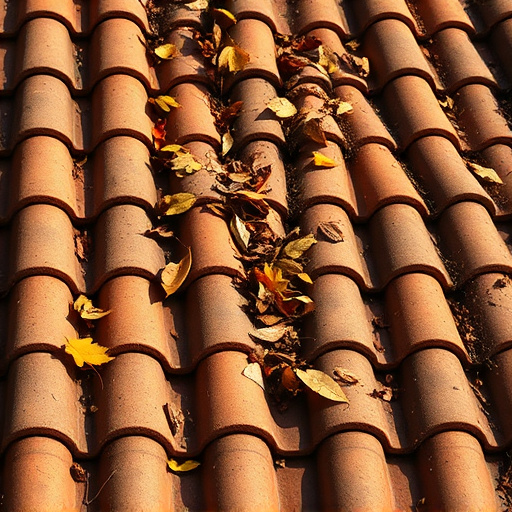
In the scorching desert heat, a tile roof offers both aesthetic appeal and robust protection for Tucson homes. However, a critical component often overlooked-the underlayment-can fail faster than the tile itself. Understanding why tile underlayment degrades while the tiles remain intact is essential for homeowners and contractors alike. This article examines the factors leading to underlayment wear and tear, particularly in our region's unique climate. We'll explore the role of tile clips in high wind and other environmental stressors, providing insights into prolonging underlayment lifespan and ensuring your roof stands the test of time.
- Understanding Tile Underlayment Degradation
- The Role of Wind in Tile Clips' Failure
- Comparing Lifespans: Underlayment vs. Tile
- Effective Strategies for Prolonging Underlayment Lifespan
Understanding Tile Underlayment Degradation
Tile roofs, though renowned for their durability and aesthetic appeal, are not invincible. One often overlooked component that plays a crucial role in a tile roof's longevity is the underlayment. Underlayment, a protective layer installed beneath the tiles, is designed to shield the roof structure from the elements. However, it is not uncommon for the underlayment to degrade and fail before the tiles themselves do. Understanding this degradation process is essential for homeowners and property managers in the arid climate of Oro Valley.
The primary culprit behind underlayment degradation is environmental exposure, particularly UV rays and high winds. Clay and concrete tile roofs, popular in the region, are inherently susceptible to UV exposure due to their dark colors, which can lead to sun faded tile colors and, more significantly, efflorescence on concrete tiles. This chemical process, where minerals react with moisture, can weaken the tile's surface and accelerate degradation. High winds, a frequent occurrence in Oro Valley, put immense strain on the underlayment, especially at the edges and around vents. Over time, constant exposure to these elements can cause synthetic underlayment to crack, tear, or become compressed, leading to water intrusion and damage to the roof structure.
A licensed Oro Valley area roofing contractor often encounters underlayment issues during repairs. To mitigate these problems, it's crucial to choose a high-quality, durable underlayment and ensure proper installation. Using a dry ridge system, which attaches the underlayment to the roof deck without nails, can offer added protection against wind damage. Regular inspection and maintenance are key. Checking for loose tiles, inspecting the underlayment for signs of wear and tear, and cleaning the roof to remove debris and reduce UV exposure can significantly prolong the life of both the underlayment and the tiles.
The Role of Wind in Tile Clips' Failure
The longevity of a tile roof largely depends on the components that protect it from the elements. One oft-overlooked element is the tile clips, which secure the tiles to the underlayment. In high wind conditions, such as those commonly experienced in Rancho Vistoso, these clips are particularly vulnerable to failure. While the underlayment, usually a dry ridge system, is designed to last for decades, tile clips can wear out much faster, often necessitating replacement even as the rest of the roof remains in excellent condition.
The constant exposure to wind, sun, and temperature fluctuations takes a toll on these metal fasteners. In high wind events, tile clips can bend, twist, or even break, allowing tiles to become loose and potentially damaging the underlayment. This is especially problematic in areas with flat tile roofs, where the tiles are laid flush against one another. Unlike sloped roofs, where gravity helps to keep tiles in place, flat roofs rely entirely on the integrity of the clips and underlayment.
Over time, repeated stress from wind can cause tile clips to rust, corrode, or simply fatigue, leading to failure. A licensed Arizona roofer often encounters this issue during repairs, as loose tiles can be a safety hazard and indicate a more serious problem. To prevent or mitigate this issue, homeowners should consider high-quality, wind-resistant tile clips during any roof installation or repair. Regular inspections can help catch failing clips before they cause more extensive damage. A thorough inspection after a storm could reveal clips that have become bent or twisted, signaling the need for replacement.
Comparing Lifespans: Underlayment vs. Tile
While tile roofs are renowned for their durability and aesthetic appeal, the underlayment-the protective layer beneath the tiles-can wear out faster than the tiles themselves. This phenomenon is particularly noticeable in areas like Rancho Vistoso, where intense UV exposure and occasional high winds can accelerate the decay. Understanding this distinction is crucial for homeowners.
The lifespan of underlayment directly impacts the overall integrity of a tile roof. While tile itself can withstand extreme conditions, the underlayment acts as a crucial barrier against moisture, pests, and debris. Over time, underlayment can become brittle and tear, exposing the roof structure and creating entry points for water and pests. This is where the role of tile clips in high wind becomes critical; they secure the underlayment, providing an extra layer of protection against tearing, especially in areas prone to strong winds.
DC Roofing of Arizona, a local expert in the region, often encounters this issue during inspections. They recommend a proactive approach: inspect the underlayment regularly, especially in areas with significant UV exposure. Replacing the underlayment before it fails can save costly repairs down the line. A typical two-layer underlayment system, a standard choice for tile roofs, might last 10-15 years under extreme conditions, while the tiles themselves can persist for 30 years or more. Keeping an eye on the underlayment, especially in areas like Rancho Vistoso known for intense sun and occasional high winds, ensures a durable and weather-resistant roof.
Effective Strategies for Prolonging Underlayment Lifespan
Tile roofs, while renowned for their beauty and durability, require careful maintenance to ensure their underlayment-a crucial protective layer-lasts as long as the tiles. In the harsh desert climate, especially during monsoon winds in areas like Rancho Vistoso, this underlayment can wear out faster than expected, even outpacing the lifespan of the tiles themselves. The primary culprit is often excessive stress from high winds, which can cause tile clips to fail, leading to loose tiles and significant damage.
Understanding the specific challenges posed by the local climate and wind patterns is key to prolonging underlayment lifespan. In high-wind conditions, such as those experienced in Oro Valley during the summer months, tile clips must be securely fastened and reinforced to withstand the force. A licensed Arizona roofer recommends using specialized clips designed to resist high winds, often installed in conjunction with additional battens (1-3 layers) for extra support. This strategy is especially vital for tile roofs on additions or renovations, where the existing structure might not have been built to withstand the forces of a desert monsoon.
Regular inspection and maintenance are essential. Homeowners should check for loose tiles, signs of efflorescence (a white powdery substance indicating potential moisture issues), and damaged or missing clips. For tile roofs around skylights or in areas prone to foot traffic, extra care is required. Batten rot, a common issue in wet conditions, can weaken the underlayment. Preventive measures include using durable, high-quality battens and sealing them properly to protect against moisture. By implementing these effective strategies, homeowners can ensure their tile underlayment matches the longevity of their beautiful tile roofs.
Frequently Asked Questions About an Explainer on Why Tile Underlayment Wears Out Before the Tile Does
Why does tile underlayment need replacement, while the tile itself can last longer?
The primary reason tile underlayment fails before the tile is due to its constant exposure to moisture and the stress of supporting the tile's weight. While tile is designed to withstand water, the underlayment, which is usually made of paper, plastic, or foam, is not as durable. It absorbs water over time, leading to degradation and eventual disintegration. The underlayment bears the brunt of the tile's movement, expanding and contracting with temperature changes, which can cause it to tear or compress unnaturally.
How long can I expect tile underlayment to last?
Most tile underlayments last between 10 to 15 years under normal conditions. However, this timeline can be influenced by factors like the type of underlayment, installation quality, and environmental conditions. High-moisture environments or underlayment exposed to direct sunlight may wear out faster.
What are the signs that my tile underlayment needs replacing?
Look out for these indicators: bubbling or peeling tile, uneven tile spacing, or any visible signs of degradation in the underlayment itself. A loose or shaky feeling when pressing on the tile can also indicate a problem with the underlayment. Regularly inspecting your tile work can help catch these issues early.
Can I repair or just replace individual tiles without changing the underlayment?
While repairing individual tiles is possible, it's often more cost-effective to replace the entire underlayment. This is because damaged tiles are usually an indication of broader issues with the underlayment, and simply repairing them could create a patchwork that's less stable and more prone to future problems.
How do I know what type of tile underlayment to choose for my project?
The type of underlayment you select should be based on the type of tile you're using, the subfloor material, and environmental conditions. A licensed Tucson garage door service or specialist can guide you on the best option. They'll consider factors like moisture levels, expected weight load, and temperature fluctuations to ensure a suitable underlayment is chosen for your specific scenario.
Tile underlayment, crucial for protecting your tile roof against the elements, often faces a premature end. While the tiles themselves can last decades, underlayment typically wears out before, primarily due to wind-driven forces. The article highlights the critical role of tile clips in high wind scenarios, where their failure can expose the underlayment to harsh conditions, leading to its deterioration. Understanding this degradation process is key to maintaining your roof's integrity. By comparing the lifespans of underlayment and tile, we learn that while tile can withstand extreme conditions, underlayment is more susceptible to damage from sun, moisture, and wind.
To prolong underlayment lifespan, the article offers practical strategies. These include regular inspection to identify damaged or missing tile clips, especially in areas prone to high winds, and the use of high-quality, wind-resistant clips. Proper installation techniques, adequate ventilation, and the selection of underlayment designed for desert climates are essential. By implementing these measures, homeowners and contractors can ensure their tile roofs remain secure, minimizing the risk of costly repairs and maximizing the lifespan of both underlayment and tiles.
Tile roofs' longevity depends on underlayment, a protective layer often overlooked. In Oro Valley's arid climate, UV exposure and high winds accelerate underlayment degradation, leading to water intrusion and tile damage. High-quality, durable underlayment and installation, along with regular inspections, are crucial. Tile clips, securing tiles to underlayment, are especially vulnerable in high wind, necessitating wind-resistant clips for flat tile roofs. Proactive maintenance, including checking for loose tiles and clip damage, extends underlayment and roof life.