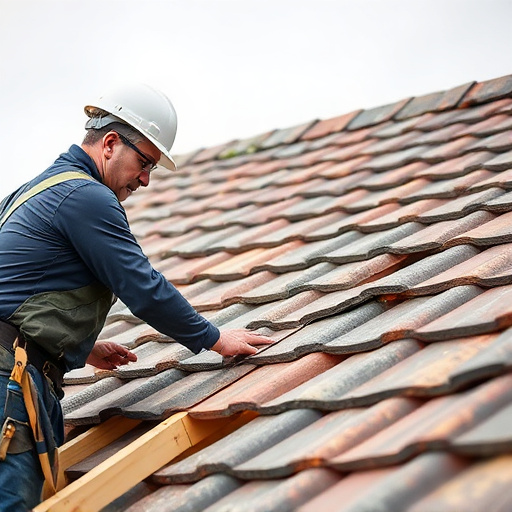
Tile roofing is a defining feature of many Spanish and Santa Fe style homes, offering both aesthetic appeal and enduring protection. However, selecting the right tile profile and color can be overwhelming, especially considering the harsh desert climate and the need for fire resistance. This guide cuts through the complexity, providing insights into the key differences between S-tile and flat tile profiles, and the unique challenges and benefits of clay versus concrete tiles in our region. We'll explore how to maintain these durable roofs, ensuring they remain beautiful and safe for years to come, with a special focus on fire resistance of tile roofs. By the end, you'll be equipped to make informed decisions for your home.
- Choosing the Right Tile Profile for Spanish and Santa Fe Styles
- Understanding Fire Resistance in Tile Roof Design
- Color Options: Enhancing Your Home's Exterior Beauty
- Installation Tips for Long-Lasting, Fire-Resistant Tile Roofs
Choosing the Right Tile Profile for Spanish and Santa Fe Styles
Choosing the right tile profile is crucial for Spanish and Santa Fe style homes, as these architectural gems demand both authentic aesthetics and functional performance, especially in the harsh desert climate. A traditional Spanish mission tile home may require a flat tile profile to mimic the historic look of its counterparts while also offering superior durability against the intense monsoon winds.
When considering tile profiles, a key factor is the structure's ability to withstand the elements, particularly wind. Flat tiles, for example, are known for their superior resistance to high winds, making them a preferred choice for homes in areas prone to strong gusts. However, it's not just about the profile; the material matters too. Clay tiles, a classic choice for their aesthetic appeal, offer excellent fire resistance, a critical consideration for any roof in desert regions prone to wildfires. In contrast, concrete tiles, while durable and low-maintenance, might not be the first choice for their weight, which can put additional strain on framing-a factor an experienced Oro Valley roof specialist would carefully evaluate.
The headlap, or the overlap between tiles, matters in installation and aesthetics. For Spanish and Santa Fe styles, which often feature intricate tile work, choosing tiles with adequate headlap ensures proper alignment and a seamless finish. Understanding the nailing patterns specific to these styles ensures the roof's structural integrity. S-tiles, with their unique shape, may require specific nailing techniques to prevent damage from foot traffic and weather, ensuring the roof's longevity.
Proper underlayment, a layer beneath the tiles that provides insulation and leak protection, is another critical component. Given the extreme temperatures and potential for ice damage, a two-layer underlayment system is recommended, offering enhanced protection against efflorescence (a white crusting on concrete tiles) and water intrusion. This, coupled with the right mortar set or dry ridge techniques, ensures the roof's fire resistance and minimizes the risk of heat transfer into the attic, contributing to energy efficiency.
Understanding Fire Resistance in Tile Roof Design
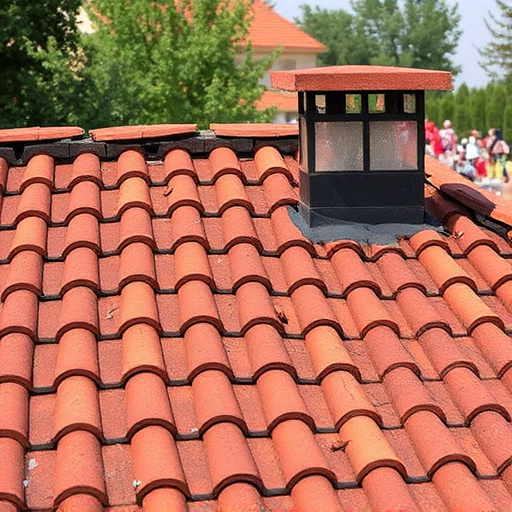
In the arid climate of Oro Valley, choosing the right tile roof is not just about aesthetics; it's a strategic decision that impacts safety, durability, and fire resistance. When designing or repairing a Spanish or Santa Fe style home, understanding the fire resistance of tile roofs is crucial. These architectural styles, often characterized by low-pitched, tile-covered roofs, are popular in our region for their charming, historic appeal. However, the wrong tile choice can leave a home vulnerable to fire damage, a serious concern given the region's dry conditions and frequent wildfires.
Tile roofs, whether made from clay or concrete, offer excellent fire resistance. Clay tiles, known for their traditional beauty, are inherently non-combustible, making them a safe choice for fire-prone areas. In fact, the National Park Service recommends clay tile roofs for historical structures in fire-sensitive regions, citing their superior fire resistance and minimal contribution to flame spread. In contrast, concrete tiles, though heavier and more expensive, also possess a high melting point and excellent heat resistance, making them a robust option for safeguarding homes.
When considering the fire resistance of tile roofs, it's essential to look beyond the material itself. The installation method plays a significant role. Proper ridge mortar application is vital. Ridge mortar, used to seal the joints between tiles, acts as a crucial barrier against fire spread. A licensed Oro Valley area roofing contractor recommends ensuring the mortar is evenly applied and of the correct strength for optimal fire resistance. Proper underlayment and flashing, along with regular maintenance to prevent efflorescence (a white powdery substance that can weaken tile), contribute to the long-term fire safety of a tile roof. These measures, combined with regular inspections, can help protect your home and ensure the fire resistance of your tile roof.
Color Options: Enhancing Your Home's Exterior Beauty
When enhancing the exterior of a Spanish or Santa Fe style home, the choice of tile profile and color is crucial. These architectural styles, characterized by their rich history and distinct aesthetics, demand a careful consideration of materials that not only complement the existing design but also withstand the unique challenges of the local desert climate. The color options available for tile roofs play a significant role in achieving this balance, offering both functional and aesthetic benefits.
One of the key aspects to explore is the contrast between clay and concrete tile colors. In the desert heat, clay tiles can fade over time, losing their vibrant hues, while concrete tiles, with their more durable finishes, maintain their color integrity. A local roofing company serving Oro Valley might recommend a concrete tile with a matte finish for a Spanish Colonial home, ensuring the roof remains a striking feature for years to come. Understanding the concept of headlap is essential. This refers to the overlapping portion of tiles, which not only provides a seamless finish but also helps in preventing color variation across the roof's surface.
The ridge mortar, a crucial component in tile roofing, also plays a role in color consistency. Properly installed, it ensures that tiles along the ridge line are secure and maintain their color integrity. This is particularly important in areas like Oro Valley, where intense sunlight can affect the color of the roof. When choosing a color palette, consider the overall aesthetic you wish to achieve. For a more traditional Spanish mission look, earthy tones and subtle shades of red or orange can be harmonious choices. Alternatively, Santa Fe style homes often showcase a mix of warm and cool tones, from deep reds to muted grays, creating a visually appealing contrast against the desert backdrop.
Fire resistance is another factor that makes tile roofs a smart choice for desert regions. Clay and concrete tiles, when installed correctly, offer excellent resistance to high temperatures, providing peace of mind in fire-prone areas. Regular cleaning and maintenance, such as removing efflorescence (a white powdery substance) and tile batten rot prevention, will ensure your tile roof retains its beauty and longevity. By carefully considering these factors, homeowners can enhance the exterior of their Spanish or Santa Fe style homes while benefiting from the durability and fire resistance of tile roofing.
Installation Tips for Long-Lasting, Fire-Resistant Tile Roofs
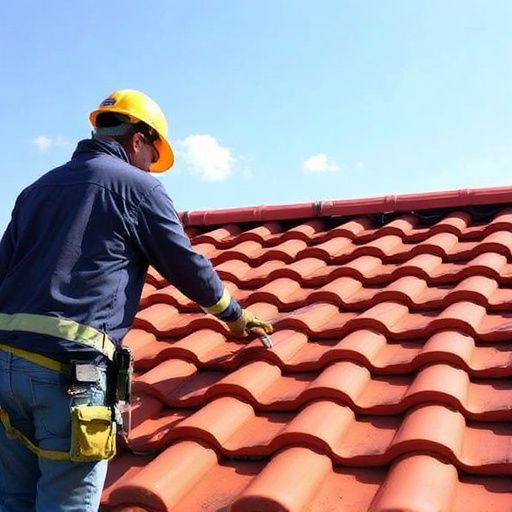
When installing tile roofs on Spanish Colonial Revival or Santa Fe style homes, understanding the unique characteristics of these profiles and colors is crucial for longevity and aesthetic harmony. The distinctive architectural styles of these homes demand roof tiles that can withstand the harsh desert climate, including intense UV exposure. A key consideration is the fire resistance of tile roofs, especially in areas prone to wildfires.
Tile profiles, whether they are S-tile or flat, have distinct advantages and applications. S-tile profiles, for instance, offer better protection against wind and debris due to their curved shape, a significant factor in the desert heat. On the other hand, flat tiles are more suitable for historical structures aiming to maintain the original aesthetic, requiring meticulous nailing patterns like Spanish mission tile homes. The choice between clay and concrete tiles also impacts fire resistance; concrete tiles are inherently more fire-resistant than clay, a consideration when navigating the stringent building codes of Oro Valley.
During installation, proper batten spacing and securing techniques are essential. Battens, the horizontal strips that support the tiles, should be placed close together to minimize the risk of tile shifting in high winds. For Spanish Colonial homes, where tile roofs are integral to the design, DC Roofing of Arizona recommends a two-layer underlayment system for added protection against water penetration and foot traffic damage. This meticulous approach ensures the longevity and fire resistance of the tile roof, preserving the architectural integrity of these timeless structures.
Regular cleaning and maintenance, tailored to the specific tile profile and color, are vital to maintain the roof's appearance and protect against efflorescence, a white powdery substance that can discolor tiles. Tile around skylights may require specialized care due to increased UV exposure. By understanding these nuances and implementing the right installation and maintenance practices, homeowners can ensure their Spanish or Santa Fe style homes boast not only a stunning tile roof but also one that stands the test of time and harsh desert conditions.
Frequently Asked Questions About a guide to tile profiles and colors on Spanish and Santa Fe style homes
What are the defining characteristics of Spanish and Santa Fe tile work? Spanish and Santa Fe style homes often feature distinctive tile work with a focus on flat, rectangular tiles known as "paver tiles" or "tesserae." These tiles are typically laid in patterns, with common designs incorporating geometric shapes, repeating motifs, and intricate patterns inspired by Spanish and Native American art. The use of vibrant, earthy colors such as terratone, rust, and deep blues is characteristic, reflecting the regional aesthetics.
How do tile profiles contribute to the overall look? Tile profiles refer to the shape and edge details of each tile. In Spanish and Santa Fe styles, flat, untextured profiles are common, creating a clean, formal appearance. However, some designs may incorporate slight ridges or beveled edges to add visual interest and depth. The profile choice can significantly impact the overall aesthetic, from minimalist to ornate, and should complement the architectural style of the home.
Are there specific color considerations for these styles? Absolutely. Earthy tones are a hallmark of these styles, with colors like deep greens, rich browns, and warm yellows creating a sense of warmth and connection to the natural landscape. Using local, regional clay colors can also enhance the authenticity of the design. While bright, vibrant hues are less common, accents in shades of blue, turquoise, or orange can add pops of color and play off the dominant earth tones.
What types of tile materials are suitable for these homes? Natural clays and ceramics are ideal for their color versatility and ability to withstand the region's climate. Hand-crafted tiles, often made from local clays, can add a unique, artisanal touch. For durability, refractory clay tiles are a popular choice, known for their strength and resistance to heat, making them suitable for outdoor spaces and sunrooms.
How can I ensure the longevity of my tile installation? Proper installation is key. Ensure a level subfloor and use a suitable mortar for the tile type. Grout lines should be filled properly to prevent water seepage. Regular cleaning and sealing will protect against stains and moisture damage. In harsh climates, consider using a protective coating or sealer to enhance durability.
Do I need professional help for a Spanish or Santa Fe style tile project? For complex designs or large-scale projects, professional expertise is recommended. A skilled tile installer can ensure precise tile placement, proper spacing, and adherence to the style's aesthetic principles. They can also assist with sourcing rare or custom tiles to achieve a specific look. However, smaller, straightforward installations may be suitable for DIY enthusiasts.
Understanding the unique characteristics of Spanish and Santa Fe style homes demands a careful selection of tile profiles and colors that blend with their distinct architectural aesthetics. Choosing the appropriate tile profile, such as the traditional Spanish style's curved or S-tile profiles, is crucial for achieving the desired visual appeal and structural integrity. The fire resistance of tile roofs is a critical consideration, especially in areas prone to wildfires, as proper installation and underlayment systems ensure the roof's longevity and protect the home.
Color options play a significant role in enhancing the exterior beauty of these homes, with sun-faded tile colors and concrete tile options offering both style and durability in the desert heat. Effective maintenance, including regular cleaning and sealing, is essential to prevent efflorescence and ensure the tile roof remains in top condition, reducing the risk of foot traffic damage and pest entry points.
By following these guidelines, homeowners and contractors can install and maintain tile roofs that not only withstand the challenges of Oro Valley's climate but also contribute to the home's overall value and fire resistance. This article's insights empower readers to make informed decisions, ensuring their Spanish or Santa Fe style homes remain beautiful, safe, and resilient for years to come.
Choosing the right tile roof for a Spanish or Santa Fe style home in Oro Valley requires balancing aesthetics, durability, and fire resistance. Clay and concrete tiles offer distinct advantages; clay is non-combustible and beautiful, while concrete is heavy and fire-resistant. The installation method, including ridge mortar and underlayment, matters in fire safety. Proper nailing patterns and headlap ensure structural integrity. Regular maintenance, tailored to the tile profile and color, protects against efflorescence and prolongs the roof's life in the harsh desert climate.