In the scorching desert heat of Oro Valley, choosing the right roofing material can make or break a home's comfort and safety. The region's extreme temperatures and dry climate present unique challenges for tile roofs, particularly when comparing concrete and clay tile profiles. Homeowners and contractors alike face decisions that impact not only aesthetics but also structural integrity, with a keen eye on fire resistance of tile roofs given the area's wildland-urban interface. This article examines these considerations, offering insights on the pros and cons of concrete versus clay tile, their resilience to heat, sun faded tile colors, efflorescence, foot traffic damage, and more. By the end, you'll be equipped to make an informed choice that protects your investment.
- Understanding Desert Heat's Impact on Tile Roofs
- Concrete vs. Clay: Fire Resistance in Focus
- Performance Comparison: Durability and Longevity
- Choosing the Right Tile: Safety and Esthetics in Mind
Understanding Desert Heat's Impact on Tile Roofs
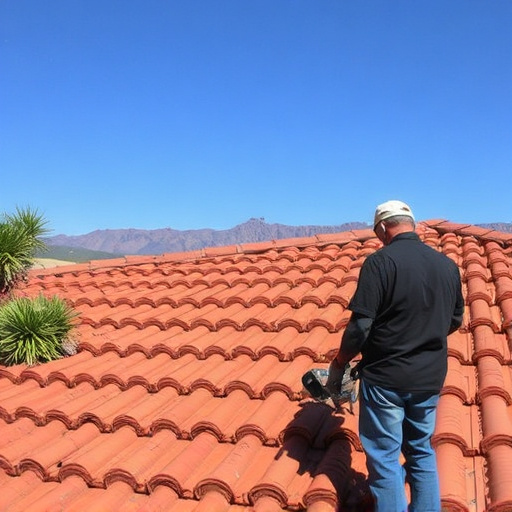
Desert heat poses unique challenges for any roofing material, and tile roofs are no exception. When compared to clay or concrete tiles, the impact of UV exposure, monsoon winds, and efflorescence can vary, especially in the harsh conditions of an Oro Valley summer. An experienced Oro Valley roof specialist knows these factors can affect not just the aesthetics but also the structural integrity and longevity of a tile roof.
Concrete tiles, known for their durability and fire resistance, can be particularly susceptible to UV-induced fading. The intense desert sun can slowly degrade the color of concrete tiles, leading to a patchy, sun-faded appearance. To mitigate this, proper sealing and the use of high-quality, UV-resistant tile products are essential. Concrete tiles can be heavier, putting additional strain on framing during high winds, like those experienced during monsoon season. This is why a robust underlayment system, such as a two-layer system, is crucial for concrete tile roofs in Oro Valley.
Clay tiles, on the other hand, offer some natural protection against UV exposure due to their ceramic composition. However, they are still susceptible to efflorescence, a process where minerals in the clay react with moisture, creating a white, powdery residue. This can not only diminish the aesthetic appeal of a clay tile roof but also indicate potential issues with moisture penetration. Regular cleaning and maintenance, including re-grouting when necessary, can help prevent or minimize efflorescence. Clay tiles are generally lighter than concrete, reducing the load on framing. Yet, they require specific nailing patterns and edge metal to ensure proper drainage and prevent damage from foot traffic, wind, or pests.
Understanding the interplay between desert heat, roofing material, and maintenance practices is key. An Oro Valley roof specialist can provide expert guidance on the best tile type for specific conditions, ensuring a roof not only looks good but also performs well under the harsh desert sun. Proper installation, regular cleaning, and adequate maintenance can extend the lifespan of a tile roof, enhancing the durability and fire resistance that these roofing systems offer.
Concrete vs. Clay: Fire Resistance in Focus
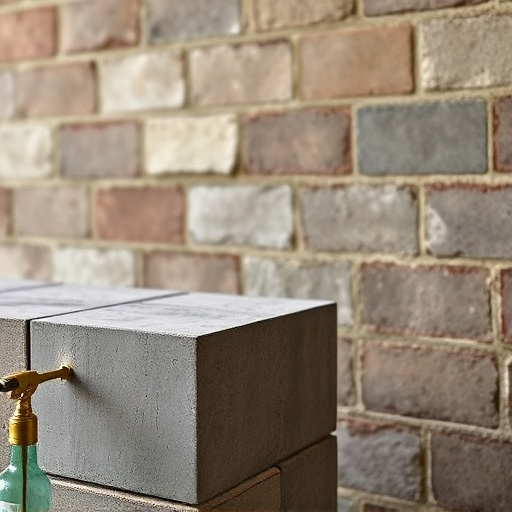
When choosing between concrete and clay tile for your Oro Valley roof, fire resistance is a critical factor, especially in a desert climate subject to intense UV exposure. While both materials have their merits, concrete tile offers a distinct advantage in fire safety, making it a top choice for homeowners in areas prone to wildfires, like the Oro Valley region.
Concrete tile is known for its exceptional fire resistance due to its dense, non-combustible composition. Unlike clay tile, which can be vulnerable to heat and flame, concrete tiles are made from a mixture of cement, sand, and water, creating a robust, fireproof material. This makes concrete tile a smart option for residents looking to protect their homes and neighborhoods from the devastating effects of wildfires. In a study comparing roof materials' performance in extreme conditions, concrete tile consistently outperformed clay tile in withstanding high temperatures, ensuring structural integrity and minimizing the risk of a fire spreading.
While clay tile is aesthetically pleasing and offers a traditional look, especially popular in Santa Fe style homes, it's crucial to consider its limitations. Clay tile is more susceptible to heat damage and can become brittle, increasing the likelihood of breakage during extreme weather events. This can lead to not only structural weaknesses but also potential hazards, as broken clay tiles can be easily dislodged and blown around, potentially igniting nearby debris and fueling a fire. An experienced Oro Valley roof specialist emphasizes the importance of understanding these differences, especially in a desert environment where high temperatures and dry conditions are prevalent.
To enhance the fire resistance of any roof, proper installation and maintenance are key. Using a two-layer underlayment system, ensuring adequate headlap and coverage, and securing tiles with the right nailing patterns and clips can significantly improve a concrete tile roof's performance in the event of a fire. Regular cleaning to remove debris and the application of suitable tile sealers can provide extra protection against UV exposure and efflorescence, ensuring your roof remains in top condition over time.
Performance Comparison: Durability and Longevity

Choosing the right roofing material for a desert climate involves understanding the unique challenges, like intense UV exposure and fluctuating temperatures. When comparing concrete and clay tile, durability and longevity stand out as key factors, especially in an area like Oro Valley and Marana where homes often showcase beautiful, historic architecture, such as the popular Santa Fe style.
Concrete tile roofs have long been favored for their fire resistance-a critical consideration in a dry, desert environment prone to wildfires. They are heavier than clay tiles, offering superior weight distribution on framing, and less prone to damage from foot traffic. This makes them ideal for areas with high pedestrian activity, like front entrances or pool decks. Concrete tiles are less susceptible to efflorescence, the white powdery residue that can accumulate on concrete surfaces and require costly cleaning.
On the other hand, clay tiles offer a charming aesthetic, often evoking the beauty of Spanish Mission-style homes. They are lightweight, making installation easier and less costly for smaller projects or renovations. However, clay tiles are more susceptible to UV exposure over time, which can cause them to fade and crack. To mitigate this, a 30 lb felt underlayment should always be used beneath clay tiles as a protective barrier. Clay tiles are more delicate and may require specialized nailing patterns and edge metal to withstand high winds and debris, such as those commonly experienced during monsoon seasons.
When considering a roofing contractor serving Oro Valley and Marana, homeowners should understand these material differences to make an informed decision. Concrete tiles offer superior fire resistance and durability, while clay tiles provide a charming aesthetic and are more suitable for smaller projects. The best choice depends on individual needs, budget, and the home's architectural style.
Choosing the Right Tile: Safety and Esthetics in Mind
When selecting between concrete and clay tile roofs in Oro Valley, the desert climate presents unique challenges and opportunities. Both materials have their merits, but understanding how they perform under intense UV exposure and how they stack up in terms of fire resistance is crucial for a safe, aesthetically pleasing roof.
Concrete tile, known for its durability and fire resistance, is a superior choice for desert environments. This material is inherently fire-resistant due to its dense, non-combustible nature. Concrete tiles are designed to withstand extreme temperatures, including those reached during the day in the desert sun. However, concrete tiles can be heavier than their clay counterparts, necessitating a robust framing system to support their weight. Proper installation, including the use of tile clips in high-wind conditions, ensures these tiles remain secure during occasional powerful gusts.
Clay tile, while aesthetically appealing and available in a variety of styles, requires more consideration. While clay itself is not inherently flammable, the glazes used on many clay tiles can be susceptible to UV degradation. Over time, prolonged exposure to the sun can cause the glaze to fade, leading to a sun-faded appearance. Clay tiles may require a two-layer underlayment system for optimal protection against moisture and pests. An experienced Oro Valley roof specialist recommends regular inspection and maintenance, including cleaning, to ensure the longevity of clay tile roofs.
In areas prone to wildfires, such as parts of Oro Valley, fire resistance is a paramount concern. Concrete tile roofs, with their inherent fire resistance, offer a higher level of safety compared to clay tiles. Battens, which support the tiles, should be made of fire-resistant materials, and proper flashing at side walls and valleys is crucial for preventing fire spread. Homeowners should also consider the overall fire safety of their property, including landscape choices and neighborhood watch groups, to mitigate risks.
Frequently Asked Questions About a comparison of concrete and clay tile in desert heat
What is the primary difference between concrete and clay tile roofs?
The primary distinction lies in their composition. Concrete tiles are made from a mixture of cement, sand, and water, formed into durable, heavy slabs. Clay tiles, on the other hand, are crafted from clay, formed, dried, and then fired in a kiln. This process lends clay tiles a unique aesthetic and a slightly lower density compared to concrete.
Which type of tile is better suited for the intense desert heat?
Concrete tiles generally outperform clay tiles in desert climates due to their superior heat resistance. Their dense composition helps them retain less heat during the day and release it more slowly at night, leading to lower overall interior temperatures.
Do concrete tiles offer any other advantages in hot environments?
Absolutely. Concrete tiles are more resistant to cracking from thermal expansion and contraction, a common issue with clay tiles in extreme temperature fluctuations. They also have a longer lifespan, needing less frequent replacement than clay tiles, which can be more susceptible to breaking under intense heat stress.
Are clay tiles completely unsuitable for desert environments?
While concrete tiles have distinct advantages, clay tiles still have their place. In shaded areas, or with proper underlayment and ventilation, clay tiles can perform adequately in desert conditions. However, for sun-facing roofs, concrete tiles are generally the better choice.
What about cost considerations? Which type of tile is more expensive?
Concrete tiles tend to be more expensive than clay tiles, primarily due to the labor-intensive manufacturing process and the higher cost of materials. However, their longer lifespan often makes up for the initial cost difference over time.
How do I know if a concrete or clay tile roof is right for my home in Tucson?
Consulting a licensed Tucson roofing contractor experienced in desert climates is crucial. They can assess your specific needs, roof design, and budget to recommend the most suitable material. Both concrete and clay tiles have their merits in desert heat, and the right choice depends on various factors.
For choosing between concrete and clay tile for your desert home, understanding the impact of the unique local climate is paramount. This article has explored the critical factors, particularly the fire resistance of tile roofs, in a desert environment. We've seen that concrete tiles, though heavier, offer superior durability and fire resistance, making them a smart choice for high-risk areas. Clay tiles, lighter and more aesthetically versatile, require careful consideration due to their increased vulnerability to heat and efflorescence.
The key takeaways are clear: prioritize fire safety in desert regions by opting for concrete tiles, ensuring long-term protection for your home. For homeowners leaning towards clay, regular cleaning and maintenance, especially to prevent sun faded colors and tile batten rot, become essential. Understanding the specific needs of your region, as highlighted by local experts and organizations like the Arizona Solar and Roofing Association, is crucial for making an informed decision.
Moving forward, consider consulting with experienced local roofing contractors and professionals to tailor your choice to your specific needs. By weighing the pros and cons, you'll be well on your way to ensuring your roof not only enhances your home's beauty but also provides the safety and resilience required in the face of desert heat.
In desert climates like Oro Valley, choosing the right tile roof involves balancing fire resistance, aesthetics, and durability. Concrete tiles excel in fire safety due to their non-combustible nature, while clay tiles, though aesthetically pleasing, require extra care against UV fading and efflorescence. An expert roof specialist guides homeowners through these considerations, emphasizing proper installation, maintenance, and understanding material differences for a safe, long-lasting tile roof. Fire resistance is paramount in wildfire-prone areas, making concrete tile a top choice for both protection and durability.