Tile roofing is a popular choice for homes in flat tile profiles, like those in Oro Valley, thanks to its durability and distinctive aesthetic appeal. However, the cost of tile roof repairs, replacements, and installations can be a significant concern for homeowners. This article cuts through the confusion, offering a plain-language guide to understanding tile roof costs, from addressing minor repairs to laying new underlayment. We'll examine the factors influencing price, the importance of proper tile flashing at side walls, and best practices for maintaining and replacing your tile roof, ensuring your investment is both sound and secure. By the end, you'll be equipped with the knowledge to make informed decisions about your tile roof's health and longevity.
- Assessing Tile Roof Repairs: Common Issues & Costs
- Choosing Underlayment: Protecting Your Roof & Home
- Installing Tile Flashing: Side Walls & Waterproofing
- Long-Term Maintenance: Extending Roof Lifespan
Assessing Tile Roof Repairs: Common Issues & Costs
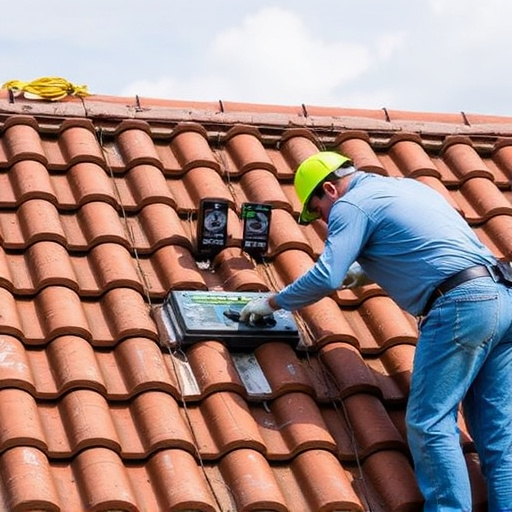
When assessing tile roof repairs, homeowners in Oro Valley should expect to confront a variety of common issues that can impact both functionality and aesthetics. Among these, efflorescence on concrete tile is a frequent concern, often appearing as white or gray stains that can discolor the overall roof surface. Proper tile flashing at side walls, however, can mitigate this problem by preventing moisture intrusion, a key cause of efflorescence.
Another frequent repair need is related to ridge mortar, which, if not properly installed or maintained, can deteriorate over time, leading to leaks and further damage. A roofer with an Arizona ROC license will typically inspect for cracks, gaps, or loose tiles, all of which can signal underlying structural issues. They'll also assess the condition of the underlayment, a crucial layer that protects the roof from moisture and provides a secondary barrier against fire.
Beyond these, tile roofs can suffer from foot traffic damage, especially in areas with heavy use, such as around chimneys or vents. Proper nailing patterns and the use of tile clips in high wind zones can help prevent tiles from becoming dislodged. Regular cleaning and inspection, especially after severe weather events, are crucial to catch issues early. A local roofing contractor may recommend a yearly tile roof care checklist that includes inspecting for pest entry points, checking tile headlap and coverage, and ensuring proper drainage by examining tile valleys and debris buildup.
When considering repairs versus replacement, homeowners should consult with experienced contractors familiar with local building codes and historical design guidelines, such as those from the National Park Service, for older homes in the Spanish Colonial Revival or Spanish mission tile style. These professionals can provide expert advice on when to invest in extensive repairs versus a full replacement, often recommending new underlayment systems with two layers for added protection, especially in the desert heat.
Choosing Underlayment: Protecting Your Roof & Home
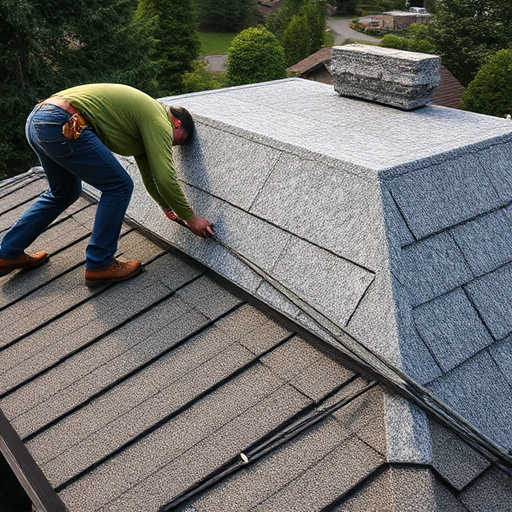
When considering a new tile roof or repairing an existing one, selecting the appropriate underlayment is a crucial step that can significantly impact your home's protection. Underlayment, a protective barrier between your tile roof and the framing, serves as the foundation for your roof's performance and longevity. It's not just about preventing water damage; it also guards against foot traffic, pests, and even fire hazards.
A flat tile roof, popular in the desert climate, requires a robust underlayment to withstand the intense heat and frequent power outages. Two-layer underlayment systems are recommended for such installations. The first layer, typically made of a breathable fabric, offers a vital air gap that prevents moisture buildup, a common cause of tile damage. Above this, a second layer of underlayment, often made of synthetic materials, provides added protection against punctures and rips. This multi-layered defense is crucial for areas prone to high winds and debris, like Oro Valley, ensuring that your roof remains secure even during intense storms.
For tile flashing at side walls, a licensed Arizona roofer emphasizes the importance of a seamless installation. Flashing, the waterproof barrier placed around the perimeter of the roof, must be carefully integrated into the underlayment to prevent water intrusion. The choice of underlayment can affect how well the flashing adheres to the roof, which is why understanding the specific needs of your tile roof is essential. Ridge mortar, while effective, requires a more meticulous installation process than dry ridge underlayment, which offers a simpler, faster solution.
Choosing the right underlayment also involves considering the structural load your roof must bear. Tile roofs, especially in older homes, can be heavy, and the framing must be adequate to support them. Tile batten rot, a common issue in areas with high humidity, can weaken the structural integrity of the roof, making proper underlayment selection even more critical. By understanding these factors, homeowners can ensure their investment in a new tile roof or repair is protected against a wide range of potential issues, from heat-related efflorescence on concrete tiles to pest entry points.
Installing Tile Flashing: Side Walls & Waterproofing
Installing tile flashing at side walls is a critical step in any tile roof replacement or repair project in the Catalina Foothills, ensuring both structural integrity and longevity. Concrete tile, popular in this region due to its durability and aesthetic appeal, requires proper flashing to withstand the unique challenges of UV exposure and desert weather patterns.
The process involves placing a thin, flexible barrier made of materials like metal or synthetic rubber along the joints where the tile meets the side walls. This flashing acts as a shield, preventing water from seeping behind the tiles and into the framing. Over time, excessive UV exposure can weaken the flashing, leading to cracks and leaks. Proper installation, including the use of high-quality materials and proper sealing, can extend the lifespan of the flashing and the roof itself.
DC Roofing of Arizona, a licensed Oro Valley area roofing contractor, emphasizes the importance of detailed tile flashing at side walls. Their expert team ensures every flashing job is done right, using industry-standard techniques and materials. This meticulous approach not only preserves the structural soundness of the roof but also protects the homeowner from costly repairs down the line. Neglecting flashing can lead to mold growth, attic damage, and even structural instability, all of which can be avoided with proper initial installation and regular maintenance.
When addressing existing tile roofs, the Oro Valley Building Department recommends a thorough inspection to determine if the flashing needs replacement or repair. Regular maintenance, including periodic checks and repairs, can significantly extend the life of the roof and underlayment, ensuring the home remains protected from the elements.
Long-Term Maintenance: Extending Roof Lifespan
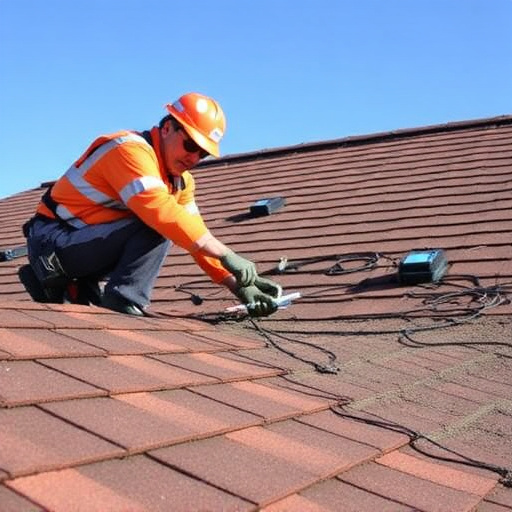
Extending the lifespan of your tile roof involves more than just regular cleaning and occasional repairs; it's a holistic approach that includes meticulous maintenance and strategic upgrades. One often-overlooked yet critical aspect is tile flashing at side walls. This component, which seals the edge of tiles where they meet the walls, matters in protecting your roof from water damage and debris. Over time, even the highest quality clay or S tile can be compromised by poor flashing, leading to costly leaks.
Regular inspections should include checking the condition of this flashing. If it's cracked, corroded, or curled, replacement is necessary. Neglecting this detail can result in water seeping behind the tiles, causing efflorescence on the concrete tiles and potentially leading to mold and mildew growth. In hot desert climates like ours, where temperature fluctuations can cause metal to expand and contract, proper flashing installation is even more crucial.
For a long-lasting solution, consider a two-layer underlayment system. This additional layer provides extra protection against foot traffic damage, wind, and pest entry points, common issues in areas with frequent visitors or wildlife. A roofer with an Arizona ROC license might recommend this setup in Rancho Vistoso, where Spanish mission tile homes are common. By implementing these measures, homeowners can ensure their tile roofs not only look as good as new but also function optimally for years to come.
Proper storage of spare tiles and regular cleaning methods are essential. Using safe, manufacturer-recommended cleaners prevents damage to the tiles' finish and ensures any sun-faded colors remain intact. Remember, a well-maintained tile roof not only adds aesthetic appeal to your home but also offers excellent fire resistance and a significant return on investment in the long term.
Frequently Asked Questions About a plain language look at tile roof costs, from repairs to new underlayment
What is the average cost to repair a tile roof? Tile roof repairs can vary greatly in cost depending on the extent of the damage. Minor repairs, like replacing a few missing or broken tiles, can range from $500 to $1,500. More significant issues, such as leaks requiring underlayment or flashing repair, can cost $2,000 to $5,000 or more. These are rough estimates, and the final price will depend on the size of the roof, the complexity of the repair, and the local labor costs.
How do I know if I need new underlayment? Underlayment protects your roof from moisture and provides a secondary barrier against leaks. If you notice signs of damage, like tears, holes, or peeling, or if your roof is more than 10 to 15 years old, it might be time to consider replacing the underlayment. A licensed roofer can inspect your roof to determine if a new underlayment is necessary.
What types of underlayment are available? There are several types of underlayment materials, each with its own advantages. Common options include synthetic underlayments like TPO (thermoplastic polyolefin) and EPDM (ethylene propylene diene monomer), as well as traditional felt underlayment. The choice depends on your climate, budget, and the specific needs of your roof.
How long does it take to install or repair a tile roof? Most tile roof installations or repairs can be completed within one to two days, though complex jobs may take slightly longer. The timeline can vary based on the size of the roof, the complexity of the repair or replacement, and local weather conditions.
What factors contribute to the overall cost of a tile roof replacement? Several factors influence the cost of a tile roof replacement, including the size and complexity of the roof, the type of tiles chosen, local labor rates, and the cost of materials. If your roof requires additional work, like repairs to the framing or underlayment, the total cost will be higher.
How do I choose a reputable roofing contractor for tile work? When selecting a roofing contractor, consider their experience, licensing, and insurance. Check online reviews and ask for references from friends or neighbors. A licensed and insured contractor with positive feedback from previous clients is your best bet for quality tile roof work.
What warranty should I expect from a tile roof repair or replacement? Warranties vary by manufacturer and contractor, but most tile roofs come with a 25 to 50-year warranty on the tiles and underlayment. The contractor's work should also be covered by a warranty, typically ranging from 5 to 10 years. Always review the terms and conditions of any warranty provided.
As you've explored the multifaceted world of tile roofing in Oro Valley, from repairs to new underlayment, several key insights emerge. First, addressing common issues like cracked tiles, efflorescence, and foot traffic damage is crucial for maintaining your roof's integrity. Repairs, while varying in cost, can be effectively budgeted and executed by local roofing contractors, who understand the unique challenges of desert heat and clay versus concrete tiles.
Choosing the right underlayment is another vital step. Two-layer systems offer enhanced protection, extending the lifespan of your tile roof, especially on additions or new builds. The Oro Valley Building Department provides guidelines and permissions for such installations, aligning with local architectural styles like Spanish Colonial Revival.
Tile flashing at side walls plays a critical role in waterproofing, preventing debris and water intrusion in valleys. This, combined with proper nailing patterns and headlap coverage, ensures your roof remains a protective barrier against the elements.
Long-term maintenance, including safe cleaning methods and the strategic use of sealers, can mitigate heat transfer to the attic, reducing energy costs. Storing spare tiles and being aware of potential pest entry points also fall under this category.
A well-maintained tile roof is an asset to any Oro Valley home. By understanding these key aspects, from repairs to underlayment, you're empowered to make informed decisions, ensuring your tile roof remains a reliable, beautiful, and functional part of your property for years to come.
Tile Roof Repairs and Upgrades: Essential Considerations
Oro Valley homeowners face common tile roof issues like efflorescence and ridge mortar deterioration. Quality underlayment, crucial for protection, lasts 20-30 years. Regular cleaning, inspection, and maintenance, including proper nailing patterns, prevent damage. For repairs vs. Replacement, consult with experienced local contractors. Flat tile roofs require robust, multi-layered underlayment for desert conditions. Tile flashing at side walls, critical for water and debris protection, should be meticulously installed and regularly inspected. Neglecting this can lead to costly leaks and damage. Upgrading to a two-layer underlayment offers enhanced protection against foot traffic, pests, and extreme weather.