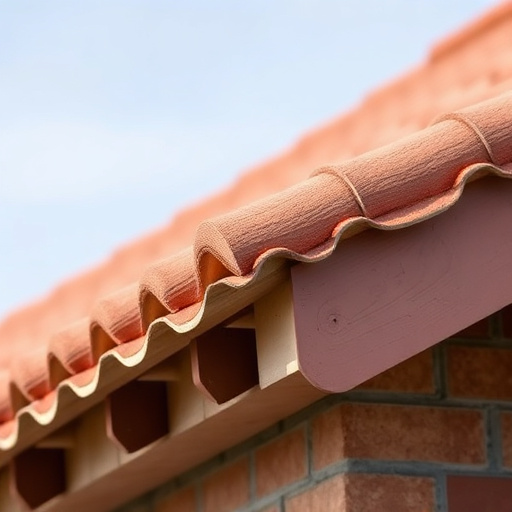
Tile roofing is a defining feature of Spanish and Santa Fe style homes, offering both aesthetic appeal and enduring durability in the harsh desert climate. However, selecting the right tile profile and color can be a daunting task, with options ranging from traditional Spanish mission tile homes to modern variations. Understanding the impact of sun exposure, heat, efflorescence, foot traffic, and other environmental factors is crucial for maintaining these historic roofs.
This guide provides a comprehensive, practical approach to navigating the complex world of tile profiles and colors for Spanish and Santa Fe style homes. We'll explore the best practices for installation, care, and maintenance, ensuring these iconic roofs remain beautiful and functional for years to come. From choosing the right underlayment to addressing common issues like tile batten rot, we offer expert insights tailored to the unique challenges faced by homeowners in this region.
- Understanding Spanish Mission Tile Styles
- Choosing Colors for a Santa Fe Look
- Measuring and Selecting Tile Profiles
- Installing Tiles: A Step-by-Step Guide
Understanding Spanish Mission Tile Styles
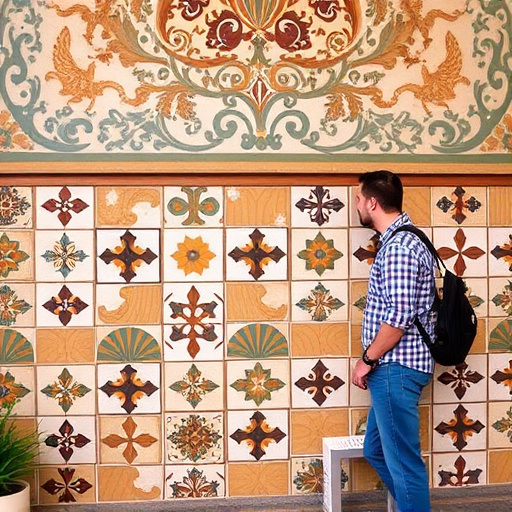
In the context of Oro Valley's distinctive architectural landscape, Spanish Mission-style homes stand out for their harmonious blend of traditional aesthetics and functional design. The tile roofing that crowns these structures is more than just a finishing touch; it's a defining characteristic that reflects the region's history and climate. Understanding the unique profiles and colors of Spanish mission tiles is crucial for any homeowner or roofing contractor navigating this style.
Spanish mission tile homes often feature low-profile, flat tile profiles designed to withstand the intense desert heat. These tiles are typically made from concrete, known for its durability and resistance to efflorescence, a white crusting that can appear on clay tiles in alkaline environments. Concrete tiles also offer a lighter weight option, reducing the load on framing, and they can be easily cleaned, making them a practical choice for this climate. When considering a roof replacement or repair, an experienced Oro Valley roof specialist might recommend a 30 lb felt underlayment to provide an extra layer of protection against the elements and potential foot traffic damage, a common concern in high-traffic areas.
The colors of Spanish mission tiles often reflect the region's natural hues, with earthy tones dominating the palette. Rich browns, deep reds, and warm grays are common, offering a distinct visual identity that sets these homes apart. To maintain this aesthetic, homeowners should be aware of the potential for efflorescence on concrete tiles, which can be treated with specialized sealers to protect their finish and color. Proper ridge mortar installation is another crucial aspect, ensuring tiles are securely fastened and that water cannot infiltrate the roof system. Regular maintenance, including cleaning and re-sealing, can extend the lifespan of these beautiful tiles, preserving their original appearance for years to come.
Choosing Colors for a Santa Fe Look
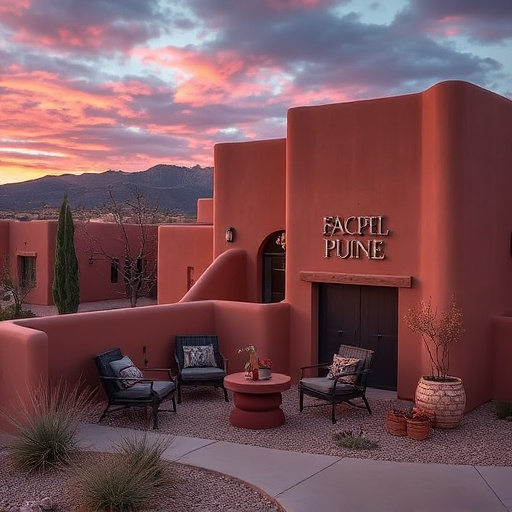
Choosing the right color palette for a Santa Fe-style home is an essential step in creating an authentic and aesthetically pleasing exterior. For Spanish mission tile homes, the design should reflect the region's rich cultural heritage, and color plays a pivotal role in achieving this look. The Catalina Foothills are known for their stunning adobe architecture, so it's no surprise that warm, earthy tones are a signature of this style.
In these desert climes, selecting the correct tile colors is crucial for a few reasons. First, consider the impact of the sun's heat. Concrete and clay tiles, common in Spanish Colonial homes, can absorb and retain heat, so lighter colors reflect sunlight and help keep the interior cooler. A light beige or sand-hued tile can be a wise choice for both aesthetic appeal and functional efficiency. On the other hand, darker colors tend to absorb heat, which can lead to increased energy costs to cool the home.
When aiming for a traditional Santa Fe aesthetic, it's beneficial to look to the past. The historic Spanish missions and their iconic tile roofs often featured muted, natural colors. Incorporating earthy tones like deep browns, warm grays, and even subtle greens or blues can bring a sense of place and character to the home. A licensed Oro Valley area roofing contractor may recommend specific tile distributors that specialize in these types of colors, ensuring the authenticity of the final result. Consider the surrounding landscape; the colors of the desert, mountains, and sky can inspire a color palette that seamlessly blends the home into its environment.
Measuring and Selecting Tile Profiles
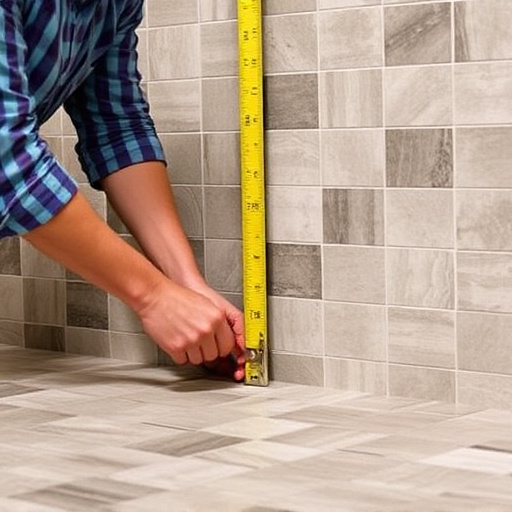
Selecting the right tile profile is crucial for Spanish and Santa Fe style homes, especially when considering the unique challenges of the local climate and aesthetics. In the Catalina Foothills, where many of these homes are located, tile profiles need to withstand not only the intense desert sun but also potential hail events. Let's examine the key factors for choosing the right profile.
For Spanish mission tile homes, a low-profile tile is often the preferred choice. These tiles typically have a thin, uniform thickness, which reduces the potential for breakage during foot traffic and wind. A licensed Arizona roofer recommends considering a "headlap" design, where the edge of each tile slightly overlaps the one below, providing both coverage and a seamless appearance. This is particularly beneficial in areas prone to strong winds, such as the Foothills, to prevent tiles from lifting and becoming damaged.
When selecting tile, it's essential to think about the structural integrity of your roof. Thicker, high-profile tiles offer more stability, but they can add significant weight to your framing. A two-layer underlayment system, for instance, might be required to support heavier tiles, ensuring a strong and durable roof. Keep in mind that the local building department, like the Oro Valley Building Department, will have specific guidelines regarding tile weight and installation methods.
Consider the long-term maintenance of your Spanish mission tile home. Clay and concrete tiles are popular choices, but they can be prone to efflorescence, a white powdery substance that forms when moisture reacts with certain mineral salts. Concrete tiles, often used in desert climates, are less susceptible to this issue due to their dense composition. Regular cleaning and sealing are crucial to preserving the appearance of your tiles and preventing pest entry points. Look for tile roof sealers that offer both water resistance and UV protection, ensuring your home's exterior remains protected for years to come.
Installing Tiles: A Step-by-Step Guide
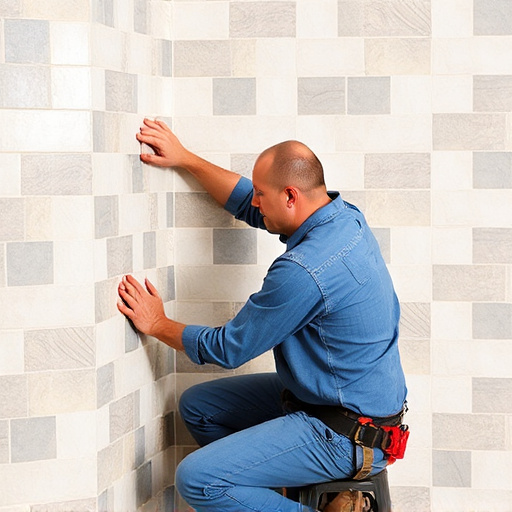
Installing tiles on a Spanish mission tile home or a Santa Fe-style dwelling requires careful consideration of both aesthetics and structural integrity. When selecting and installing tiles, especially in the desert climate of Oro Valley, following a structured guide ensures optimal results.
The first step is choosing the right tile profile, a key design element. For Spanish Colonial Revival architecture, which is prevalent in the area, S tile (or S-shaped tile) is a popular choice. Its distinct shape complements the historic aesthetic. In contrast, flat tile profiles offer a more modern look, suitable for a variety of home styles. When selecting tiles, consider the material-clay or concrete-as well as the color, which can be influenced by factors like sun exposure and the home's surroundings.
Proper installation begins with a solid underlayment, which protects the roof from moisture and provides a level surface. A two-layer underlayment system, consisting of a primary layer and a secondary layer for added protection, is recommended. Following the manufacturer's instructions for nailing patterns and headlap coverage ensures a secure installation. For ridges, the choice between mortar set and dry ridge methods depends on the specific tile and local building codes. A roofing contractor serving Oro Valley and Marana can provide guidance on the best approach.
Regular maintenance, such as cleaning and sealing, is crucial for keeping tile roofs in top condition. Safe cleaning practices involve using recommended tools and materials to avoid damaging the tiles or the roof. Sealers, which protect against efflorescence and sun faded colors, should be reapplied periodically. Inspecting the roof for damage from foot traffic, debris buildup in valleys, or pest entry points is essential. Regular care ensures the longevity of your Spanish mission tile home's roof, preserving its beauty and structural integrity for years to come.
Frequently Asked Questions About a guide to tile profiles and colors on Spanish and Santa Fe style homes
What are the most common tile profiles for Spanish and Santa Fe style homes?
In the Spanish and Santa Fe architectural styles, flat tile profiles are most prevalent. Traditional Spanish tiles often feature a flat, rectangular shape with a slightly curved edge, while Santa Fe-inspired designs might incorporate more intricate, hand-crafted profiles with rounded corners and intricate patterns. Flat tiles, however, remain a key element, offering a classic and enduring aesthetic.
How do I choose the right colors for my home's tile?
Color selection depends on your personal preference, the home's location, and desired ambiance. Earth tones like terracotta, sage green, and burnt orange are common in Santa Fe-style homes, reflecting the desert landscape. Spanish architecture often embraces vibrant colors like rich blues, bright reds, and sunny yellows, sometimes with accent tiles featuring intricate patterns. Consider the overall design, surrounding colors, and the effect you want to create.
Are there any specific tile installation considerations for these styles?
Yes, due to the unique aesthetic of Spanish and Santa Fe homes, tile installation often requires careful attention to detail. This includes proper flashing and waterproofing around windows and doors, as well as ensuring a level subfloor. For more intricate tile patterns, skilled labor is essential to achieve the desired design.
What types of tile materials are best suited for these styles?
Both Spanish and Santa Fe styles often showcase durable and low-maintenance tile materials. Ceramic and porcelain tiles are popular choices due to their versatility, affordability, and water resistance. For a more luxurious touch, natural stone tiles like travertine or slate can add warmth and character, though they require slightly more maintenance.
How can I incorporate tile into my home's exterior while staying true to these styles?
Consider using tile for exterior features like:
- Walkways and paths, where flat, durable tiles can create a charming, old-world feel.
- Roof tiles, with Spanish-style tiles featuring unique shapes and colors.
- Outdoor kitchens or dining areas, enhancing the living space while aligning with the regional aesthetic.
As you've explored the nuances of tile profiles and colors for Spanish and Santa Fe style homes, key insights emerge. For Spanish mission tile homes, understanding traditional profiles, like the flat or low-sloped, and selecting earthy tones that blend with desert landscapes, is essential. Choosing colors that evoke the Santa Fe aesthetic involves rich, vibrant hues and an emphasis on textures that pay homage to the region's cultural heritage. Measuring and selecting the appropriate tile profile is crucial for both aesthetic appeal and structural integrity, ensuring water runoff, weight distribution, and reduced efflorescence. Installing tiles correctly, as detailed in our step-by-step guide, is vital for long-lasting protection against foot traffic, pests, and weather conditions, including high winds and noise. Moving forward, consider consulting local experts, like those at the Arizona Solar and Roofing Association, and adhere to guidelines from the Oro Valley Building Department for the best results in maintaining and enhancing these iconic architectural styles.
Spanish Mission Tile Homes: A Guide to Profiles and Colors
Understanding the unique tile profiles and colors of Spanish mission homes in Oro Valley is crucial for both homeowners and contractors. Low-profile, concrete tiles are recommended for their durability, weight reduction, and resistance to efflorescence. Proper underlayment, like 30 lb felt, and regular maintenance, including sealing, protect against the elements and prolong tile life.
Color Choices for Santa Fe-Style Homes
For Santa Fe-style homes, selecting tile colors inspired by the region's landscape is key. Lighter colors reflect sunlight, making them energy-efficient. Historic Spanish missions' muted earth tones add character. A licensed contractor can guide you to tile distributors specializing in these colors. Surroundings can also inspire your palette, seamlessly blending the home into its environment.
Choosing the Right Tile Profile
Selecting the correct tile profile is vital for structural integrity. Low-profile tiles, like S-shaped or flat, are preferred for their strength against foot traffic and wind. Thicker tiles may require a two-layer underlayment. Regular cleaning and sealing are essential to prevent efflorescence and maintain the roof's beauty.