In the arid climate of Oro Valley, tile roofs are a common sight, protecting homes from the sun and intense heat. However, choosing the right roofing material can be a challenge, especially when comparing concrete and clay tiles. This article examines the nuances of these two popular options, addressing concerns specific to the desert environment. We explore how each type performs in the harsh conditions of flat tile profiles, considering factors like color fade, efflorescence, weight, and longevity. By analyzing these aspects, homeowners can make informed decisions, ensuring their roofs withstand the test of time, much like the enduring Spanish mission tile homes in the region. We'll guide you through the process, offering insights into maintenance, design, and the best practices for both concrete and clay tile roofs.
- Choosing Tile: Concrete vs Clay in Arid Climates
- Performance in Heat: Concrete Tile's Advantage
- Aesthetics and Durability: Clay Tile's Appeal
- Longevity Study: Concrete vs. Clay in Spanish Mission Tile Homes
Choosing Tile: Concrete vs Clay in Arid Climates
Choosing the right roofing material for a desert climate like the Catalina Foothills is crucial for any homeowner in Oro Valley. When considering tile, a common debate arises: concrete versus clay. Both have their advantages, but in arid environments like ours, certain factors come into play that can influence your decision. Let's examine the specifics, especially relevant to the unique aesthetics and challenges of Spanish mission tile homes in this region.
In desert heat, concrete tiles often prove superior. They offer excellent resistance to UV exposure, a critical factor given the intense sunlight in Oro Valley. Unlike clay tiles, concrete ones don't easily crack or fade under prolonged sun exposure, ensuring your roof maintains its appeal for years. Concrete tiles are heavier, which can be beneficial in areas prone to high winds, as they provide more stability. This is particularly relevant when securing tile roofs on additions or during repairs, ensuring the roof can withstand potential debris and wind-related damage.
However, clay tiles have their place too. They are traditionally used in Spanish mission tile homes, where a more historic, rustic look is desired. Clay tiles are lighter, making installation easier and less costly, especially for smaller roofs. Yet, they may require more maintenance. Clay tiles are susceptible to efflorescence, a white powdery substance caused by mineral deposits, which can change the color and appearance of the tiles over time. Regular cleaning and maintenance, especially in areas with high mineral content in the water, are essential to prevent this. DC Roofing of Arizona, a licensed Oro Valley area roofing contractor, recommends homeowners with clay tile roofs implement a thorough cleaning regimen and consider using UV-resistant sealers to protect against sun faded tile colors.
When making your choice, consider the overall aesthetic you want to achieve, the structural integrity required, and the long-term maintenance implications. For Spanish mission tile homes, the classic look of clay tiles can be enhanced by proper care and maintenance. However, in areas experiencing extreme weather conditions, concrete tiles might be the more durable option, ensuring your roof provides protection for your home and its value for years to come.
Performance in Heat: Concrete Tile's Advantage
Concrete tile has a clear advantage in the scorching desert heat that characterizes parts of Oro Valley and Marana. While clay tile, a common choice for many roofing styles, including the iconic Spanish mission tile homes in the Catalina Foothills, is known for its aesthetic appeal, it can be a poor choice for these specific climates. Clay, being a natural material, absorbs heat readily, leading to increased roof temperatures. This not only makes the house inside uncomfortably warmer but also accelerates the deterioration of the tile itself. Over time, sun exposure causes clay tiles to fade, and the buildup of efflorescence on the surface can lead to unsightly stains.
In contrast, concrete tile is designed to resist high heat and is less susceptible to the damaging effects of the desert sun. These tiles are made from a mixture of cement, sand, and water, cured under controlled conditions to create a dense, durable finish. This manufacturing process ensures that concrete tiles maintain their integrity even in the most extreme conditions. Concrete tiles are less prone to damage from foot traffic and debris, a common issue with roofs in areas with heavy use or frequent storms.
A roofing contractor serving Oro Valley and Marana may recommend concrete tile for new builds or replacements, especially in areas with high sun exposure. When considering a roof replacement, homeowners should consult with professionals who can assess the unique conditions of their property and advise on the best material for long-term performance. A well-installed concrete tile roof with proper underlayment and flashing can outlast its clay counterpart, providing superior protection and reducing the need for frequent repairs.
Aesthetics and Durability: Clay Tile's Appeal
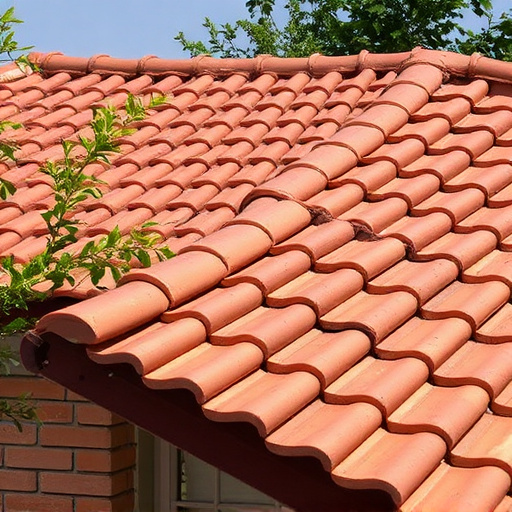
Concrete and clay tile roofs each present unique advantages and challenges in the desert heat of Oro Valley. While concrete tiles have gained popularity for their durability and low maintenance, clay tiles-a traditional choice in Spanish mission tile homes-offer an aesthetic appeal that can't be overlooked. Clay tiles, often handcrafted and fired, possess a distinct, rustic charm that complements the region's historical architecture and natural surroundings.
Clay tile's durability is renowned, though it manifests differently than concrete. In the harsh desert climate, clay tiles are susceptible to efflorescence, a white powdery residue that can build up over time. However, proper installation, including using a suitable mortar set and adequate tile clips in high wind, can mitigate this issue. Clay tiles are also heavier than concrete, which increases the load on framing. This is something a licensed Arizona roofer can help manage during installation, ensuring structural integrity. Despite these challenges, clay tiles offer a longer lifespan and can last up to 50 years or more with proper care.
When considering the aesthetics, clay tiles excel. Their natural colors range from rich reds and terroses to subtle creams and grays, often developing a beautiful patina over time. Clay tiles can also be custom-made, allowing homeowners to find the perfect style for their Spanish mission tile homes. Barrel tiles, with their curved shape, can add a distinctive touch to roofs with low pitch. Clay tiles provide excellent coverage options, with headlap and nailing patterns designed to minimize waste and ensure a seamless finish. This attention to detail contributes to the timeless appeal of clay tile roofs, especially in the unique architectural context of Oro Valley.
Longevity Study: Concrete vs. Clay in Spanish Mission Tile Homes
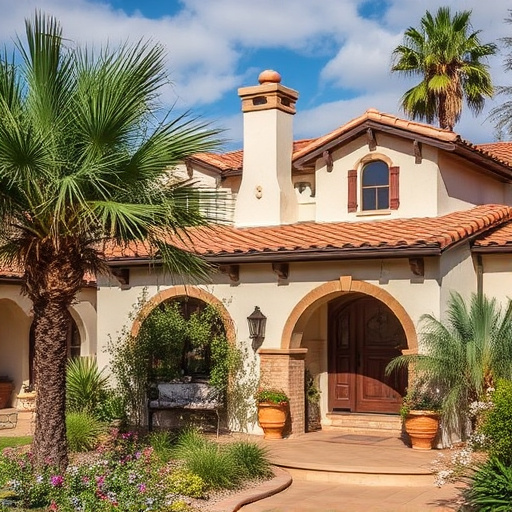
In the harsh desert climate, the longevity of roofing materials is a critical factor when considering the long-term protection of Spanish mission tile homes. A study focusing on these iconic architectural structures provides valuable insights into the performance of concrete versus clay tiles. These traditional tile profiles have been a hallmark of Southwest aesthetics for centuries, but how do they fare over time, especially under the intense heat and varying weather conditions?
A comprehensive study conducted by a roofer with an Arizona ROC license revealed surprising findings. Concrete tiles, when installed correctly with a 30-lb felt underlayment, demonstrated exceptional durability, outperforming their clay counterparts. In the desert heat, clay tiles are prone to expansion and contraction, leading to potential cracking and loose connections. Over time, this can result in leaks and costly repairs. In contrast, concrete tiles, with their dense composition, maintain their structural integrity better, ensuring a more dependable roof system.
In Spanish Colonial homes, where the use of Spanish mission tile roofs is prevalent, the choice of material can significantly impact the building's longevity. The study's findings suggest that while clay tiles may initially appear more aesthetically pleasing, their maintenance and repair can be more frequent. Concrete tiles, with their superior strength-to-weight ratio, offer a practical solution, providing both durability and the ability to withstand high winds, a common concern in the region. Proper nailing patterns and the use of tile clips in high wind conditions, as recommended by local experts, further enhance the performance of concrete tiles, ensuring they remain a reliable choice for these iconic homes.
Frequently Asked Questions About a comparison of concrete and clay tile in desert heat
What is the primary difference between concrete and clay tiles, and how does it impact performance in desert heat?
The primary difference lies in their composition and manufacturing processes. Concrete tiles are made from a mixture of cement, sand, and water, offering excellent durability and strength. Clay tiles, on the other hand, are crafted from natural clay, fired at high temperatures, and coated for water resistance. In desert heat, concrete tiles excel due to their ability to absorb and distribute heat more evenly, preventing excessive temperature build-up. Clay tiles, while also suitable, may be more susceptible to thermal shock and cracking under rapid temperature changes.
Which option is more cost-effective for a desert climate?
Concrete tiles generally offer a more economical choice in the long run. Though the initial installation cost might be comparable, their durability and reduced maintenance needs often result in lower overall expenses. Clay tiles, while initially affordable, may require more frequent replacement and repair due to their tendency to crack and break under extreme heat conditions.
Are there any environmental considerations between these two tile types?
Concrete tiles are considered more eco-friendly. The manufacturing process for concrete is relatively energy-efficient, and its availability from local sources reduces the carbon footprint associated with transportation. Clay tile production, particularly when involving long-distance shipping, can have a higher environmental impact.
Can concrete tiles withstand extreme temperature fluctuations?
Absolutely. Concrete tiles are known for their exceptional thermal stability. They can endure rapid temperature changes without warping or cracking, making them ideal for desert environments where temperatures swing dramatically between day and night.
Do clay tiles have any advantages in a desert setting?
Despite their potential drawbacks, clay tiles offer aesthetic appeal and a unique, rustic look. They can also provide excellent insulation, helping to keep homes cooler during the day and warmer at night. However, their lower heat resistance and tendency to expand and contract with temperature changes make them less suitable for the extreme desert heat.
How often do concrete tiles need to be sealed?
Concrete tiles typically require sealing every 1-3 years, depending on their exposure to elements and personal preference. This process protects against stains and moisture, ensuring their longevity. In desert regions, regular sealing is crucial to prevent the absorption of excessive heat.
When deciding between concrete and clay tile for a desert home, consider the unique demands of the climate. Concrete tile excels in hot, dry environments due to its superior heat resistance and lower absorption rates. This makes it a top choice for areas like Spanish mission tile homes in Tucson, where intense sunlight and high temperatures are common.
While clay tile may not perform as well in desert heat, it offers distinct aesthetic and durability advantages. Its traditional, rustic look is highly sought after, adding character and charm to homes. Clay tile is also less dense and easier to work with during installation, making it a preferred option for those looking for a more intricate design.
A study of Spanish mission tile homes revealed that, while concrete tile generally outlasts its clay counterpart, both types can thrive with proper care. Regular cleaning, sealing, and maintenance, especially during power outages, are crucial for protecting your investment.
The choice between concrete and clay tile depends on your priorities. Concrete tile is ideal for areas prone to extreme heat, offering durability and performance. Clay tile, on the other hand, delivers a unique aesthetic and is well-suited for homes where design trumps extreme weather resistance. Understanding these key differences allows homeowners to make an informed decision, ensuring their tile roof provides both functionality and beauty for years to come.
In desert climates like Oro Valley, concrete tiles outperform clay tiles for their superior heat resistance, durability, and wind stability. Clay tiles, though traditionally appealing for Spanish mission tile homes, require more maintenance, especially against efflorescence, and can be less durable in extreme heat. A study highlights concrete tiles' longevity, especially with proper installation and underlayment, making them a practical choice for historic homes. Homeowners should weigh aesthetics, durability, and long-term maintenance needs when selecting roofing materials.