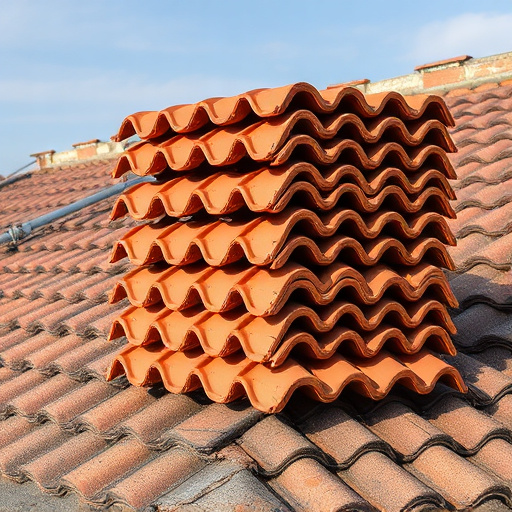
In the arid climate of Oro Valley, Arizona, the choice of roofing material can significantly impact energy efficiency and long-term performance. Tile roofs, popular in Spanish and Santa Fe architectural styles, offer a durable and aesthetically pleasing option. However, selecting the right tile profile and color can be challenging, especially considering the heat retention and UV exposure. This guide examines the intricacies of tile profiles and colors, offering practical insights for homeowners and contractors. We'll explore how to mitigate tile roof and attic heat absorption, choose color schemes that resist fading, and navigate maintenance issues like efflorescence and foot traffic damage. By the end, you'll be equipped to make informed decisions, ensuring your tile roof provides both functionality and beauty for years to come.
- Choosing Spanish Tile Roof Profiles
- Santa Fe Style: Color Options Abound
- Attic Heat Mitigation with Natural Tiles
- Installation Tips for Optimal Performance
Choosing Spanish Tile Roof Profiles
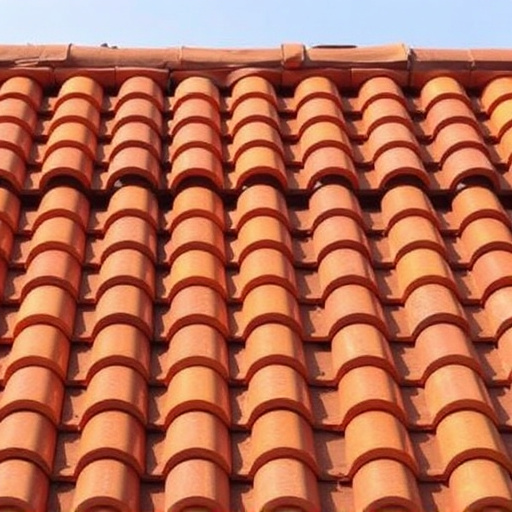
Choosing the right tile roof profile for a Spanish or Santa Fe style home involves understanding the unique climate and architectural aesthetics of these regions. In the sun-drenched, desert landscape of Oro Valley, Arizona, for instance, consider the impact of UV exposure on your roof's longevity. Clay and concrete tile profiles each have their advantages in such conditions. Clay tiles, though traditionally popular in these styles, can be susceptible to UV damage, leading to sun faded colors and, over time, efflorescence on concrete tile surfaces. This phenomenon, where mineral deposits appear as white powdery substance, can detract from the roof's aesthetic appeal.
These are known for their durability and resistance to UV exposure, making them a superior choice for the harsh desert heat. Concrete tiles also offer a more consistent color and finish, minimizing the need for frequent repairs or replacements. However, not all concrete tiles are created equal. The ridge mortar, the compound used to seal the joints between tiles, plays a crucial role in the roof's overall performance. Properly installed, a ridge mortar system can ensure the roof withstands heavy foot traffic, wind, and even pest entry points, a common concern in these styles of homes.
When selecting a tile profile, consider the roof's structural integrity and the home's historical or architectural guidelines. In neighborhoods with Spanish mission tile homes, maintaining a traditional aesthetic is often a priority. This may involve choosing profiles that mimic the classic, low-sloped, pitched roofs characteristic of the style. For Santa Fe homes, which often feature more dramatic, tiered roofs, a tile profile that highlights these architectural elements can enhance the curb appeal. Think about the underlayment and flashing systems. A two-layer underlayment system, for instance, can provide extra protection against leaks and the weight of the tiles, especially important when considering the roof's lifespan and the associated tile roof and attic heat.
Santa Fe Style: Color Options Abound
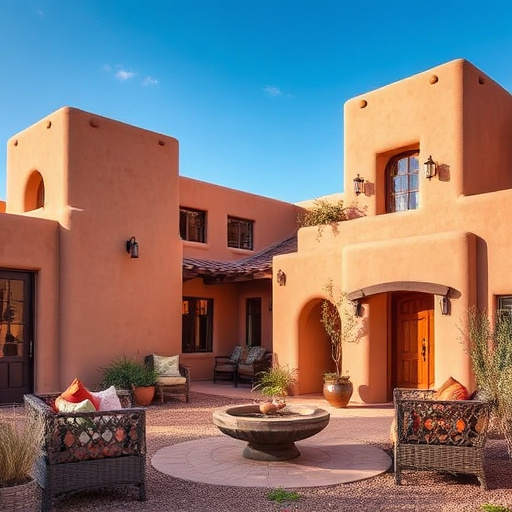
In the vibrant, sun-drenched landscape of Oro Valley, Arizona, a roofing contractor serving Oro Valley and Marana knows that tile roofs are not just functional; they're a statement. For homes inspired by the Santa Fe style, the roof is a canvas for a distinct aesthetic that combines rustic charm with modern elegance. Color plays a pivotal role here, offering a rich mix of options to complement the unique architecture and surrounding environment.
Santa Fe-style homes often embrace a palette inspired by the desert-warm earth tones, rich blues from the sky, and neutral greys. These colors translate directly to the tile choices, with a focus on natural materials. Clay and concrete tile roofs are popular, each with its own visual appeal. Clay tiles, in their rustic, hand-crafted form, offer a distinct, textured look. In the desert heat, clay tiles can become quite dark, almost oven-baked, adding depth to the overall design. Concrete tiles, on the other hand, provide a more modern, sleek appearance. Their colors range from light grays to rich, dark browns, offering a contrasting yet harmonious look with the surrounding landscape.
When selecting colors, homeowners should consider the roofing contractor's advice on maintaining a balanced design. Using a two-layer underlayment system, which adds an extra layer of protection and insulation, can also enhance color retention. Headlap, the overlap between shingles or tiles, is another critical factor. Proper headlap ensures a seamless, uniform appearance, minimizing the impact of natural elements like sun and wind. Take the example of Rancho Vistoso, where many homes feature intricate tile roofs. Here, homeowners often choose colors that complement the natural surroundings, from the vibrant greens of nearby mountains to the soothing blues of a clear desert sky.
Maintaining a tile roof's aesthetic isn't just about color selection; it's also about managing heat transfer and ventilation. Tile roofs can be particularly effective at keeping attics cool, which is a crucial consideration in Oro Valley's climate. Proper ventilation and a quality underlayment system, such as a dry ridge or a well-installed mortar set, help regulate temperature, ensuring the tile roof and attic remain efficient and the colors vibrant. Regular cleaning and safe tile roof care practices, especially during power outages when local utility companies may provide guidance, can preserve the initial beauty of the tiles, preventing issues like efflorescence on concrete tile or foot traffic damage.
Attic Heat Mitigation with Natural Tiles
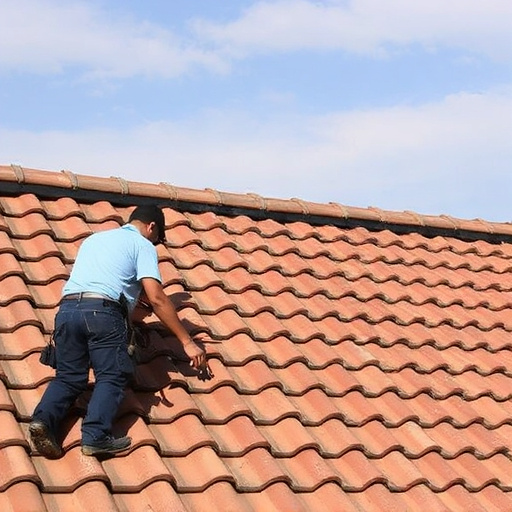
In the scorching desert heat, a well-designed tile roof matters in mitigating attic heat buildup, a critical factor for maintaining a comfortable and energy-efficient home, especially in the distinctive architectural styles of Spanish Colonial Revival and Santa Fe. Natural clay and concrete tile roofs, with their unique properties, offer an effective solution to this challenge.
Clay and concrete tiles, when installed with a two-layer underlayment system, provide superior insulation and protection against heat transfer. This multi-layered approach, often recommended by a licensed Oro Valley area roofing contractor, ensures that the attic remains a cool sanctuary during the day and helps regulate indoor temperatures. The headlap, or the overlapping portion of tiles, is a key design element that not only adds aesthetic appeal but also serves as a natural insulator, further reducing attic heat.
Consider the example of Spanish mission tile homes, renowned for their cool, soothing interiors despite their sunny climes. The traditional tile roofing materials and construction techniques were designed to combat the intense desert heat. Similarly, Santa Fe style interiors, often featuring exposed adobe walls and natural materials, benefit from the same principle. By choosing the right tile profile and colors, homeowners can not only enhance the architectural beauty of their homes but also ensure year-round comfort and energy efficiency.
Proper maintenance, including regular cleaning and inspections, is crucial for keeping the tile roof and attic cool. Removing dust, dirt, and debris from the tile surface can prevent excessive heat absorption. Using tile roof sealers, which protect against efflorescence on concrete tiles, can further reduce heat transfer. Remember, the goal is to keep the attic as cool as possible, thereby lowering the load on your air conditioning system and reducing energy costs.
Installation Tips for Optimal Performance

When installing a tile roof in the Oro Valley area, understanding the specific requirements of Spanish and Santa Fe style homes is crucial. These architectural styles often feature unique tile profiles, such as barrel tiles, which require careful consideration for optimal performance. One key aspect to keep in mind is tile roof and attic heat management, especially during the intense summer months and monsoon winds.
In the Catalina Foothills, where these styles are prevalent, tile roofs must endure extreme temperatures and high winds. Flat tile profiles, a common choice for their aesthetic appeal, can be susceptible to damage from heavy foot traffic and strong winds. To prevent these issues, proper underlayment is essential. A two-layer underlayment system, with a protective layer at the peak and a stronger layer at the valley, offers enhanced protection against debris and provides a buffer against tile roof and attic heat. This is particularly important for concrete tiles, which can be more prone to efflorescence, a white powdery residue that can appear when concrete tiles absorb and then release moisture.
Installation best practices include securing tiles with nail patterns that provide adequate holding power while minimizing damage to the tile. Using a 1/4-inch nail every 6 to 8 inches along the headlap ensures a strong bond. Tile clips can be employed in high-wind areas to reinforce the roof's integrity. Local roofing companies serving Oro Valley often use these techniques to ensure longevity and durability, even when facing the unique challenges posed by the region's climate and architectural styles. Remember, proper installation prevents costly repairs down the line and ensures your tile roof functions seamlessly, keeping your home protected year-round, including during the intense summer heat and occasional monsoon winds.
Frequently Asked Questions About a guide to tile profiles and colors on Spanish and Santa Fe style homes
What are the most common tile profiles for Spanish and Santa Fe homes? Flat, low-profile tiles are popular in these styles, reflecting the region's traditional architecture. Spanish and Santa Fe homes often feature tiles with rounded edges, known as "low-pile" or "flat" profiles. These tiles can be made from materials like terracotta, clay, or modern ceramic and porcelain options. This profile choice offers a subtle aesthetic, allowing the tile's natural color and texture to take center stage.
How do I choose the right colors for these styles? The color palette for Spanish and Santa Fe homes typically leans towards earthy tones inspired by the Southwest. Warm colors like terracotta, burnt orange, deep reds, and rich browns are common. Neutral shades of beige, gray, and white also complement the style, creating a balanced and inviting space. Consider the home's surroundings, such as desert landscapes, to enhance the overall design.
Can I mix and match tile profiles and colors? Absolutely! One of the beautiful aspects of these styles is the flexibility to mix and match. You can create visual interest by combining different tile profiles-for instance, a low-profile tile on the floor and a slightly higher profile tile on the walls. Colors can be mixed too, playing with shades and tones to add depth and character. This approach allows for personalization and can make the space feel unique.
What are some unique tile options for these styles? In addition to traditional materials, modern options offer a range of unique choices. Glazed porcelain tiles with intricate patterns or handmade, individually shaped tiles can add a distinctive touch. Some contractors even use recycled materials or locally sourced stones, which can provide a one-of-a-kind aesthetic. These unique tiles can be incorporated as accent pieces or as the main focal point, depending on the desired effect.
How do I maintain tiles in these styles? Proper maintenance ensures your Spanish or Santa Fe style tiles remain beautiful and durable. Regular cleaning with mild soap and water is essential to prevent stains. For outdoor tiles, consider sealing them to protect against water damage and freezing. In colder climates, snow and ice can be particularly damaging, so de-icing salts and proper drainage are important. Annual inspections can help identify any issues early on.
Choosing the right tile profile and color for a Spanish or Santa Fe style home involves balancing aesthetics, climate considerations, and functional aspects like attic heat mitigation. By understanding the benefits of different tile types-such as the natural cooling properties of clay tiles in desert heat-homeowners can make informed decisions that not only enhance their property's curb appeal but also contribute to energy efficiency.
Installation practices, including proper underlayment and nailing patterns, are crucial for tile roof longevity. Addressing potential issues like efflorescence on concrete tiles and tile batten rot requires a strategic approach, including regular cleaning and maintenance.
The National Park Service offers historical design guidelines that can inform the choice of Spanish mission tile homes, while local tile distributors provide access to a variety of Santa Fe-inspired colors and profiles.
A well-planned tile roof installation, guided by the specific needs of Spanish and Santa Fe architecture, can offer both durability and visual appeal. By incorporating the right profiles, colors, and maintenance practices, homeowners can ensure their roofs perform as expected, while also mitigating attic heat and enhancing the overall value of their properties.
Tile Roof Selection for Spanish and Santa Fe Style Homes in Oro Valley
Choosing the right tile roof for these styles involves understanding local climate and architectural preferences. Clay and concrete tiles offer distinct advantages in the harsh desert heat. Concrete tiles, with their durability and UV resistance, are favored for their consistent color and superior performance. Proper ridge mortar installation is crucial for overall roof integrity.
Color selection considers the Santa Fe palette of warm earth tones, rich blues, and neutral greys, with clay tiles offering rustic textures and concrete tiles providing modern sleekness. A two-layer underlayment system enhances color retention and protects against tile roof and attic heat. Headlap, the tile overlap, ensures a seamless, uniform appearance and minimizes weather damage.
Regular cleaning and safe tile roof care practices preserve aesthetics and prevent issues like efflorescence on concrete tiles. A licensed Oro Valley area roofing contractor recommends these practices for long-lasting, energy-efficient homes. Proper tile roof and attic heat management ensures comfort and reduces energy costs.