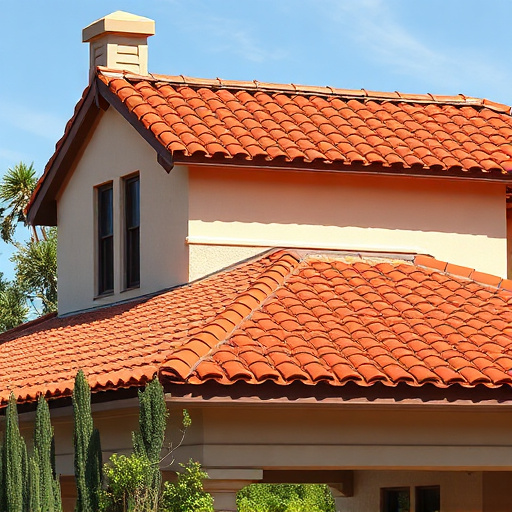
In the arid climate of flat tile profiles, like Oro Valley, tile roofing is both a beauty and a practical choice. Its durable, low-maintenance nature makes it a top pick for local homeowners. However, the cost of tile roof repairs and replacements can be a concern. From sun-faded colors and efflorescence on concrete tiles to foot traffic damage and the weight on framing, tile roofs present unique challenges. Choosing the right underlayment, understanding mortar set vs. Dry ridge, and navigating the complexities of tile nailing patterns can be overwhelming.
This guide offers a comprehensive look at tile roof costs, from repairs to new underlayment, providing practical insights and expert advice. We'll examine the importance of proper care, including safe cleaning techniques, and explore the pros and cons of various tile roof sealers. We'll offer guidance on storing spare roof tiles naturally, ensuring your investment is protected for years to come. By the end, you'll be equipped to make informed decisions about your tile roof.
- Assessing Tile Roof Repair Costs
- Understanding New Underlayment Installation
- Storing Spare Roof Tiles: The Natural Way
- Long-Term Maintenance: Extending Your Roof's Lifespan
Assessing Tile Roof Repair Costs
Assessing Tile Roof Repair Costs
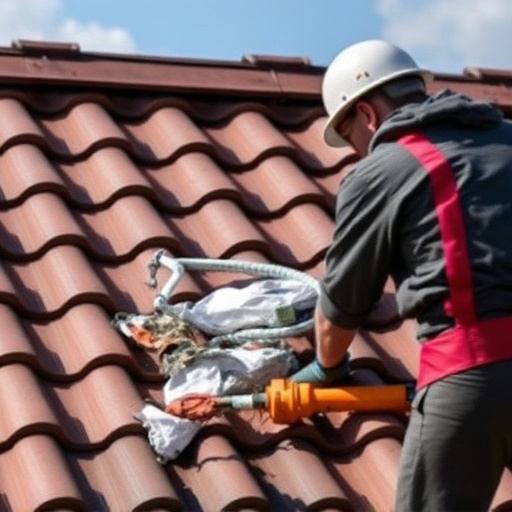
For repairing or replacing a tile roof, Oro Valley homeowners often wonder about the financial commitment involved. The cost of tile roof repairs can vary based on several factors, including the extent of damage, the type of tile, and local labor rates. A simple tile replacement might cost a few hundred dollars, while a more complex repair, such as re-nailing or repairing a ridge mortar, could run into the thousands.
One common concern with tile roofs in our desert climate is damage caused by monsoon winds and heavy rainfall. Flat tile profiles are particularly susceptible to shifting and breakage during intense storms, leading to costly repairs. To mitigate these issues, homeowners should consider regular maintenance, including inspecting tiles for loose or missing shingles and ensuring proper ventilation. Storing spare roof tiles naturally, such as in a dry, protected area of your garage, can be invaluable for quick repairs during storms.
Beyond the immediate repair costs, homeowners should factor in the lifespan of their tile roof underlayment. Two-layer underlayment systems, for example, offer superior protection against leaks and can extend the life of the roof. An experienced Oro Valley roof specialist recommends periodic inspections to identify issues early, preventing more extensive and expensive repairs down the line.
Understanding New Underlayment Installation
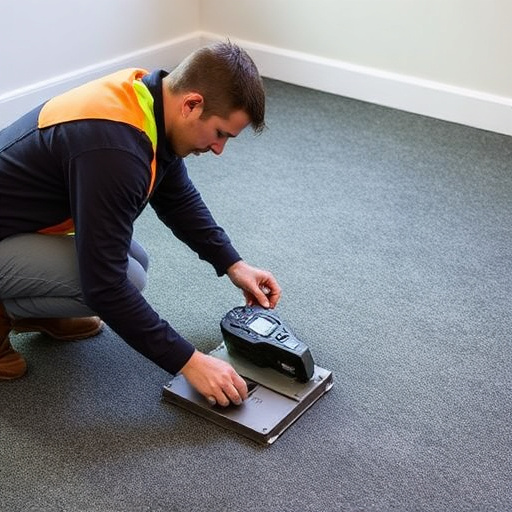
When considering new underlayment for a tile roof, understanding the process and materials is crucial. In the hot, dry climate of Oro Valley, an experienced Oro Valley roof specialist recommends a thorough assessment by a licensed local roofing contractor. This involves inspecting the current underlayment, identifying any damage, and determining the best course of action.
For new installations, professionals often suggest using a 30-lb felt underlayment, a standard option known for its durability and water resistance. This underlayment is particularly suitable for S tile profiles, which are popular in the region for their aesthetic appeal and ability to withstand the desert heat. The underlayment is installed by securing it to the roof deck with nails, using a method known as the dry ridge technique. This method, preferred by many local roofing contractors, ensures a water-tight seal and allows for easier repair or replacement of individual tiles.
Proper storage of spare roof tiles is another key consideration. An efficient method involves stacking and securing the tiles under the eaves of the roof. This provides easy access in case of damage and protects the tiles from the elements. Protecting tiles from direct sunlight can prevent them from fading and breaking down over time. Using tile clips in high wind areas, as recommended by the Arizona Solar and Roofing Association, can further secure loose tiles, preventing damage from wind and foot traffic.
The two-layer underlayment system is another best practice, offering enhanced protection against moisture and thermal transfer. This involves installing a primary layer of 30-lb felt and a secondary layer of a more specialized underlayment, such as a reflective or breathable membrane. Such systems are particularly valuable for maintaining a cool attic and reducing energy costs, a priority for many homeowners in the area.
Storing Spare Roof Tiles: The Natural Way
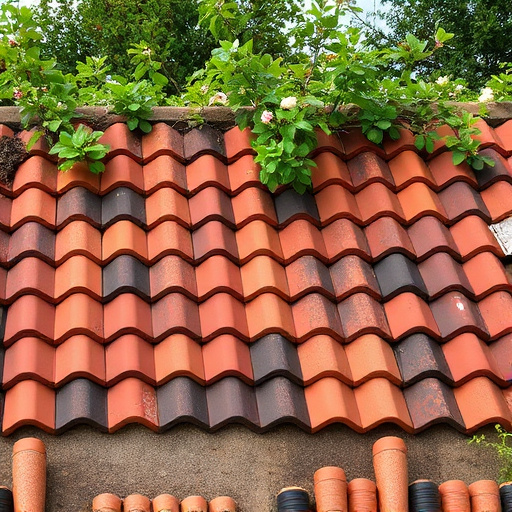
Storing spare roof tiles is a crucial aspect of tile roof maintenance that often goes overlooked. For homeowners with clay or concrete tile roofs, keeping a supply of spare tiles on hand can be invaluable. Clay and concrete tiles, despite their durability, can be subject to damage from weather, foot traffic, and age. When a tile is lost or broken, having a readily available replacement ensures your roof remains in top condition.
A roofer with an Arizona ROC license recommends storing spare tiles in a dry, protected location, such as a shed or garage. Keep them organized and stacked properly to prevent damage. Concrete tiles, known for their heavier weight and superior strength, can be stored on their sides to reduce the risk of breakage. Clay tiles, lighter and more brittle, should be stored flat to avoid cracking. Consider a neighborhood watch group that maintains a communal tile storage area, ensuring every home has access to the necessary materials for repairs.
When preparing to store tiles, it's essential to check for signs of efflorescence on concrete tiles or sun-faded colors on clay tiles. These issues may impact the tiles' appearance and functionality. Be mindful of the ridge mortar, which holds the tiles in place. Regularly inspect the ridge for any signs of wear or damage, as this is a critical component for a tile roof's overall integrity. A well-maintained ridge mortar and a supply of spare tiles are key to ensuring your tile roof's longevity, especially when facing the harsh desert heat.
Long-Term Maintenance: Extending Your Roof's Lifespan
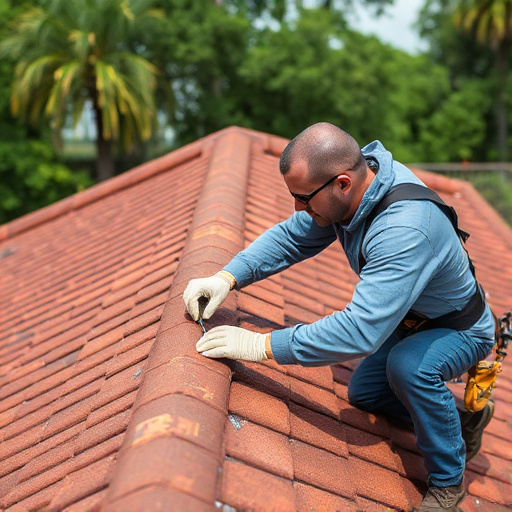
Extending the lifespan of your tile roof requires a multi-faceted approach to long-term maintenance. Regular inspections and prompt repairs are crucial, but proactive measures like proper ventilation, regular cleaning, and the strategic use of S tile profiles can significantly enhance its durability. Examining your roof for signs of wear, such as loose or missing tiles, cracked ridge mortar, or efflorescence (a white powdery substance indicating mineral deposits) on concrete tiles, should be a standard practice for homeowners. Addressing these issues promptly prevents minor problems from escalating.
One often-overlooked aspect of tile roof maintenance is the storage of spare tiles. Storing a few extra tiles, especially S tile profiles, can be invaluable for repairing small cracks or replacing tiles damaged by wind, birds, or falling debris. S tile offers a more flexible installation, allowing for easier repair and replacement, and can be a cost-effective solution compared to complete roof replacement. A roofer with an Arizona ROC license can advise on the best storage methods, suggesting options like using a waterproof container or a dry, secure area in your garage, to keep spare tiles in good condition.
Two-layer underlayment systems, a standard practice for new installations, are also essential for extending your roof's lifespan. A quality underlayment acts as a secondary barrier against water intrusion, protecting against leaks and moisture damage, a leading cause of tile roof deterioration. Proper ridge mortar application ensures a secure, watertight seal along the roof's ridge line, preventing water penetration and protecting against tile batten rot. Maintaining these key components, along with regular cleaning and inspections, will help ensure your tile roof remains in excellent condition for years to come.
Frequently Asked Questions About a plain language look at tile roof costs, from repairs to new underlayment
What is involved in repairing a tile roof?
Tile roof repairs involve assessing damage, replacing missing or broken tiles, and ensuring the underlayment-the protective layer beneath the tiles-is intact. DC Roofing of Arizona, a licensed Oro Valley area roofing contractor, typically inspects for cracks, loose tiles, or signs of water damage. They then replace the damaged tiles and may reinforce the underlayment if necessary, using high-quality materials to ensure the roof's longevity.
How do I know if I need new underlayment?
Over time, underlayment can become damaged, compressed, or worn out, compromising the roof's waterproof barrier. Signs include visible damage, mold growth, or leaks. A licensed Arizona roofer will assess your roof, looking for these indicators and determining if a complete replacement or just repairs to the underlayment are required.
How long does a tile roof repair typically take?
Most tile roof repairs take one to two days, depending on the extent of the damage. A local roofing company serving Oro Valley and Marana will work efficiently to minimize disruption to your home.
What are the different types of underlayment available?
Common underlayment options include felt paper, synthetic underlayment, and foam underlayment. Each type offers different levels of protection against water, weather, and damage. A roofer with an Arizona ROC license can advise on the best type for your roof based on your region and specific needs.
Are there tax incentives for replacing a roof?
Depending on your location and the specific circumstances, there might be tax credits or deductions available for replacing your roof. Check with your local tax authority or consult an experienced Oro Valley roof specialist for detailed information.
How much does a complete tile roof replacement cost?
The cost of a complete tile roof replacement varies based on factors like the size of your roof, the type of tile chosen, and whether there is existing underlayment. It's recommended to get quotes from several licensed Arizona roofers to determine the most accurate cost for your specific Oro Valley property.
As you've explored the intricate world of tile roofing in Oro Valley, from repair costs to underlayment installation and long-term care, several key insights emerge. First, understanding the cost of repairs is crucial; factors like damage extent and material availability impact the price. Next, proper underlayment installation is vital for a roof's lifespan; both mortar set and dry ridge methods have their merits, with two-layer systems offering enhanced protection.
Storing spare roof tiles is a practical consideration, especially in the desert climate. The natural approach, away from controlled storage units, involves protecting tiles from extreme heat and debris. Regular cleaning and maintenance are also paramount, with specific guidelines for safe tile cleaning and addressing issues like efflorescence on concrete tiles.
For homeowners looking to maintain their tile roofs, a checklist of care practices is essential. This includes painting concrete tiles, managing foot traffic, and addressing potential pest entry points. Considering the aesthetic and historical appeal of Spanish mission tile homes can influence design choices for new builds and additions.
Finally, remember the fire resistance of tile roofs and the importance of tile flashing at side walls. By implementing these practices and taking advantage of natural storage methods for spare tiles, homeowners can extend their tile roof's lifespan and ensure its continued beauty and functionality. This knowledge equips you to make informed decisions and maintain your Oro Valley property with confidence.
Tile Roof Costs and Maintenance Summary
Tile roof repairs vary based on damage extent, tile type, and labor rates. Regular maintenance, including inspections and storing spare tiles naturally, mitigates issues like shifting flat tile profiles during storms. Quality underlayment, like a 30-lb felt, and proper ridge mortar application extend roof lifespan (25-30 years). Two-layer underlayment systems offer superior protection against leaks.
Storing spare tiles efficiently (e.g., under eaves) and using tile clips in high wind areas secures tiles and facilitates quick repairs. Maintaining these practices alongside regular inspections prevents extensive, costly repairs.