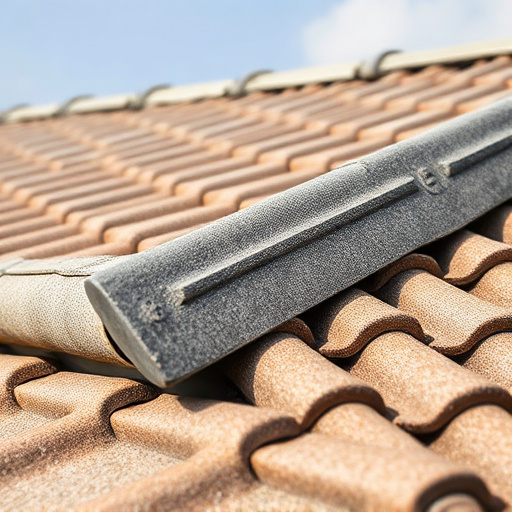
Tile roofs are a popular choice in flat tile profiles like our region, offering durability and a distinctive aesthetic. However, they require meticulous care and regular inspection. From spotting sun-faded tile colors and efflorescence on concrete tiles to understanding the impact of foot traffic and debris buildup in tile roof valleys, homeowners must be vigilant. This article equips you with a comprehensive checklist to identify potential tile roof problems from the ground, ensuring timely intervention and prolonging the lifespan of your roof. We'll examine maintenance tips, design considerations, and best practices for addressing common issues, all tailored to the specific challenges of our desert climate.
- Inspecting Tile Roofs: Basic Ground-Level Checks
- Identifying Signs of Damage in Tile Roof Valleys
- Understanding Debris Buildup and Its Impact
- Regular Maintenance: Preventing Tile Roof Problems
Inspecting Tile Roofs: Basic Ground-Level Checks

When inspecting your tile roof from the ground, look for signs of damage that could go unnoticed from above. One of the first places to check is the tile roof valleys and debris. These channels, which direct water away from your roof, are particularly vulnerable to blockages from fallen leaves, branches, or other debris. A local roofing company serving Oro Valley recommends clearing these areas regularly to prevent water pooling and potential leaks.
Examine the condition of the battens, the wooden or metal strips that support the tiles. In desert climates like ours, battens can become loose or damaged from extreme heat and wind. Look for any signs of warping, splitting, or loose connections. These could indicate a need for replacement or tighter securing, especially in S tile installations where battens are crucial for tile alignment and stability. Keep in mind that Rancho Vistoso's hot, dry summers can accelerate wood decay, so regular checks are essential.
Pay attention to the overall alignment and integrity of the tiles. Cracked, broken, or missing tiles are obvious signs of damage. But also look for tilts or misalignments that could be caused by foot traffic, wind, or even pests. These issues can create channels for water penetration, leading to costly interior damage. A well-maintained S tile roof with proper underlayment and ridge caps should remain secure even under these stresses.
Lastly, check for efflorescence on concrete tile roofs. This white or grey residue is a sign of salt buildup, often caused by water evaporation after rainfall. While it doesn't usually indicate a serious problem, excessive efflorescence can weaken the tile surface. Regular cleaning using safe, approved methods can help maintain the aesthetic appeal and longevity of your tile roof. Remember, a proactive approach to these ground-level checks can save you from costly repairs down the line.
Identifying Signs of Damage in Tile Roof Valleys
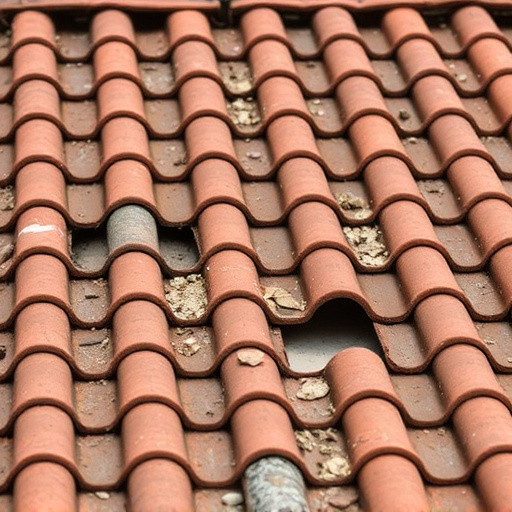
When examining your tile roof from the ground, pay close attention to the valleys-the channels where water flows off the roof. These areas are particularly vulnerable to damage and debris buildup. Over time, UV exposure can weaken the seal of the tile, allowing water to seep in and cause rot or other structural issues. The dry ridge system, which keeps water from infiltrating between the tiles, can become damaged or misaligned.
A licensed Arizona roofer recommends inspecting the underlayment, especially in older homes. Synthetic underlayment, while effective at protecting against water damage, can degrade over time, especially in the harsh desert heat. Look for signs of wear, tears, or mold growth. If the underlayment is worn, water can penetrate directly into the roof structure, leading to costly repairs. Regularly checking the valleys and underlayment can help prevent these problems from escalating.
Debris buildup in the valleys is another common issue. Leaves, branches, and other debris can accumulate, blocking the flow of water and potentially causing damage to the tiles themselves. It's important to keep these areas clear, using a long-handled brush or vacuum designed for roofs. Remember, neglecting tile roof valleys and debris can lead to not only aesthetic issues but also serious structural problems, so make sure to add these to your regular maintenance checklist.
Understanding Debris Buildup and Its Impact
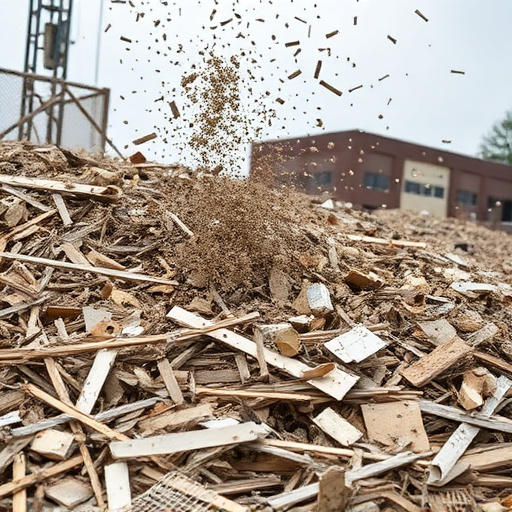
Debris buildup on your tile roof is a common-yet often overlooked-problem that can significantly impact its performance and longevity. In the arid climate of Oro Valley, where monsoon winds sweep through each summer, this issue can be exacerbated. In neighborhoods like Rancho Vistoso, where many homes feature barrel tile roofs, proper maintenance is crucial to prevent debris from accumulating in the tile roof valleys and causing damage.
One of the primary concerns with debris buildup is its effect on water drainage. Leaves, branches, and other debris can clog the valleys and ridges of your tile roof, leading to water pooling and potential leaks. This is especially critical during the summer months when intense rainfall can cause flash floods, further damaging your property. A roofing contractor serving Oro Valley and Marana may recommend regular inspections to identify and clear debris, ensuring water flows freely off your roof and into the gutters.
Heavy debris accumulation can put additional strain on your roof structure, particularly in areas with high wind, such as during monsoon season. Excess weight can cause the tiles to become loose or even lift, exposing the underlayment and making your home vulnerable to weather damage. To mitigate this risk, it's essential to maintain a clear debris-free area around the roof edges and gutters. Regular cleaning, especially after significant storms, is a crucial part of a comprehensive tile roof care routine.
Regular Maintenance: Preventing Tile Roof Problems

Regular maintenance is key to identifying potential issues with your tile roof before they become costly problems. As a homeowner, you can play a crucial role in preserving the integrity of your roof by being vigilant and proactive. One of the most effective ways to do this is by examining the areas that are often overlooked from the ground-the tile roof valleys and debris accumulation. These hidden spots can be breeding grounds for problems, so it's essential to keep them clear and well-maintained.
A licensed Oro Valley area roofing contractor recommends implementing a regular inspection routine. During these checks, look for signs of efflorescence on your concrete tiles, which may indicate a moisture issue. Efflorescence is a white, powdery substance that can appear on the surface of concrete tiles, often caused by water penetration. It's not usually a structural concern but can be unsightly. Promptly addressing any moisture problems, such as leaky gutters or flashing issues, can prevent further damage and maintain the longevity of your tile roof.
Maintain a close eye on the underlayment, especially in areas with higher foot traffic. The underlayment is a crucial layer that provides a secondary barrier against water intrusion and supports the tiles. Over time, heavy foot traffic can cause wear and tear, leading to damage or tearing. Ensure you have a two-layer underlayment system for enhanced protection. Also, check for any signs of rot in the battens, which are the wooden strips that support the tiles. Regular maintenance and prompt repair of these issues can significantly extend the life of your tile roof.
Regularly clearing debris from the valleys and gutters is vital. Valley areas often accumulate debris, including leaves, branches, and even small animals, which can block water flow and lead to damage during heavy rains. Keeping these areas clear prevents water from pooling on your roof, which could cause mold, mildew, or even structural damage. By staying vigilant and addressing these maintenance points, you'll ensure your tile roof remains in top condition.
Frequently Asked Questions About a homeowner checklist for spotting tile roof problems from the ground
What are the most common signs of a tile roof problem I can spot from the ground? Homeowners can look for missing or loose tiles, cracks in the tile, and water stains around the roof's edges or valleys. These issues may indicate damage from weather, aging, or poor installation, requiring professional attention. Regular inspection is key to catching problems early, preventing extensive repairs, and ensuring the roof's longevity.
How often should I check my tile roof for damage? It's advisable to perform a visual inspection of your roof at least twice a year, particularly after severe weather events like storms or hurricanes. Regular maintenance and timely repairs can save you from costly emergency repairs. Keep an eye out for any unusual noises during heavy winds, as it could signal loose shingles or structural damage.
Can I identify potential problems with my tile roof without a professional? While homeowners can spot some issues, a detailed assessment requires professional knowledge. Look for signs like uneven tile spacing, damaged underlayment, or signs of water intrusion. If you notice any, consult a licensed Oro Valley area roofing contractor for a thorough inspection. Early detection can prevent more serious and costly problems.
What should I do if I suspect a leak in my tile roof? If you suspect a leak, contact a local roofing company serving Oro Valley and Marana as soon as possible. They can inspect for water damage, pinpoint the source of the leak, and provide a detailed estimate for repairs. Prompt action is crucial to prevent further damage and the potential growth of mold.
Are there any specific tile types I should be more vigilant about? Flat tile profiles, common in many Oro Valley area homes, require regular cleaning and maintenance to prevent buildup and debris. Check for loose tiles or damaged sealants, especially after extreme weather. Older tiles might be more susceptible to damage, so keep a close eye on them during inspections.
Who should I contact if I notice a problem but am not sure how to fix it? Reach out to a licensed Arizona roofer or a roofing contractor with an ROC license in your area. They can assess the issue, provide solutions, and offer estimates for repairs or replacements. Don't attempt to fix major problems yourself, as incorrect repairs could worsen the issue.
As homeowners, keeping a keen eye on our tile roofs is crucial, especially in the demanding desert climate. By regularly inspecting key areas like tile roof valleys and debris buildup, we can spot potential issues early on. Understanding the differences between S tile and flat tile profiles, the impact of sun exposure on tile colors, and the signs of efflorescence on concrete tiles are essential for informed maintenance.
Regular upkeep, including proper underlayment systems and nail patterns, can significantly extend the lifespan of our roofs. Preventive measures, such as clearing valleys of debris and addressing foot traffic damage, are cost-effective and minimize the risk of more severe problems.
Being aware of potential pest entry points and the best practices for cleaning tile roofs safely ensures that our homes remain protected. This checklist equips us with the knowledge to maintain our tile roofs, prevent costly repairs, and preserve the aesthetic appeal and structural integrity of our properties, guided by the expertise of local roofing contractors and industry associations like the Arizona Solar and Roofing Association.
Tile Roof Maintenance Checklist from the Ground Up
Inspect your tile roof regularly, focusing on hidden vulnerabilities. Clear tile roof valleys and debris to prevent water damage and blockages. Check battens for looseness or damage in S tile installations. Examine tile alignment for cracks, breaks, or misalignments. Look for efflorescence on concrete tiles, indicating moisture issues. Inspect underlayment for wear and tear, especially in older homes. Keep valleys and gutters clear to maintain water flow and prevent structural damage. Address issues promptly to extend your tile roof's lifespan.